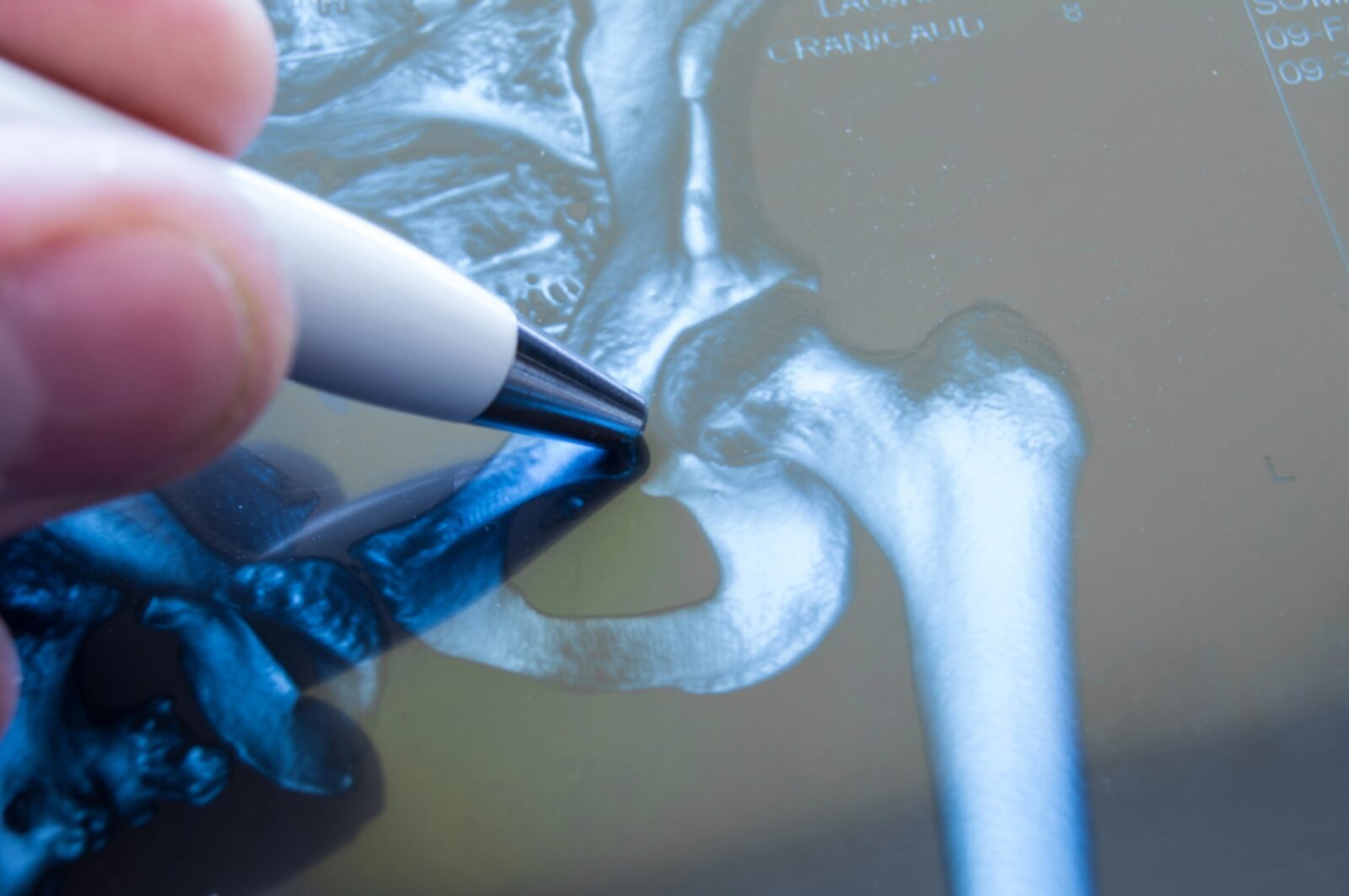
Wrist problems may not be the first thing that comes to mind when you think of pregnancy, yet it’s not uncommon for women to experience pain and stiffness in one or both wrists during late pregnancy and the early postpartum period. If you are a new parent suffering from wrist discomfort as you pick up, hold, or feed your baby, the condition commonly known as “Mommy Wrist” could be the underlying cause.
In this article, we’ve taken a closer look at what Mommy Wrist is, why it develops, and how best to treat it. For a complete evaluation of your wrist pain and a treatment plan tailored to your needs, schedule an initial consultation at Modern Orthopaedics of New Jersey.
Expert Insight: Dr. DeNoble On Postpartum Wrist Pain
At Modern Orthopaedics of New Jersey, our fellowship-trained upper extremity specialists are highly experienced in the diagnosis and treatment of pregnancy-related wrist pain.
In this video, Dr. DeNoble provides a comprehensive overview of Mommy Wrist (De Quervain’s Tenosynovitis).
Video Transcript
Help. I have Mommy Wrist. So, for my patients in the last trimester of their pregnancy or in the postpartum period with a newborn, oftentimes they are coming into me because of Mommy Wrist.
So what is Mommy Wrist? Now, we have a series of tendons that extend our thumbs and fingers. The first compartment tendons actually affect the thumb. They help lift the thumb and P joint and help deviate the hand. And if you kind of like to make a little bit of an extension of your thumb, you can actually see those tendons.
Now, they actually run through a little tunnel. And in that tunnel, the tendons can get irritated. And through a combination probably of hormones and also a new repetitive use of your first dorsal compartment tendons, the EPB and the APL tendons. Those tendons are used to pick up the baby and do a lot more manual labor in those first, few months postpartum than maybe you were doing prior to that. So, that sort of perfect storm ends up bringing a lot of pregnant women into my office for this tendonitis.Orthopedics
Now, the good news is it’s almost always treated effectively without surgery. Initially, I usually will recommend a cortisone injection as a way to basically get rid of the tendonitis. It dampens down the inflammation, and it makes the tendons glide nicely and smoothly. Sometimes that’s permanent, or sometimes it’s temporary, but we start with that typically.
One of the common questions I get is, can I have cortisone when I’m breastfeeding? And that’s always something that you should always talk to your obstetrician about. I do refer you to your obstetrician to get some sort of expert opinion on that. Oftentimes, I’ll have patients pump and dump for a few days afterwards. Now, cortisone does stay in your system for about a week. So, sometimes my patients who are breastfeeding and have stored their milk can use that for a while and pump and dump for a bit. So that allows them to sort of go through a cortisone injection and address any fears that may come out of exposing the baby to any kind of cortisone that’s circulating through your system.
Now, the other thing that I would say is that sometimes Mommy Wrist will come back after cortisone. We could always try a second injection, and if that’s effective, that’s great. If, for some reason, it doesn’t go away, there’s a little procedure that we can do. I actually do these under local anesthesia. So you can go to sleep, but you could also do them under a local with yourself awake, completely numb, and you don’t feel anything. But we do it’s about a 15 to 20 minute procedure, and just go in there and carefully release the pulley, which is called the first dorsal compartment. It’s a little sheath that the tendons run through that releases the pressure. I’m able to take off the inflammation from over the tendons, and then you just heal up a little incision. You’re in a brace for about a week. Fingers are free. You can still use your hand, and the problem is resolved.
So, the good news is very treatable. We’ll get you to the other side of this and not to despair. There is definitely relief. Now, on the most mild side of that, I do often recommend a brace to see if that helps before we even start any other intervention. So, there is always a more conservative approach if you’d like.
Now, in addition to Mommy Wrist, which is a tendonitis of the tendons at the first dorsal compartment that hurts when you pick up your baby, you also often times will run into numbness or tingling in your fingers or carpal tunnel syndrome, which is sort of along the spectrum of inflammation around the tendons. But that inflammation or swelling, and edema, and water retention that can happen increases the pressure inside the carpal tunnel. But as you’ve probably heard the term carpal tunnel before, what that is is compression of the median nerve. The median nerve gives you sensation to the thumb, index, middle finger, and part of your ring finger. And sometimes you’ll actually wake up at night, have to shake your hand to get them to kind of wake up. They’ll feel a little bit numb. And this again very often is affecting women in the later part of pregnancy and the early part of postpartum. Now again, a lot of times we will start with bracing at nighttime because flexing and extending the wrist like we do when we sleep can tighten the carpal tunnel. So we try to keep the wrist straight. If that’s not effective, cortisone is a great option as well to get you through this period of time when you have some more fluid retention, some more inflammation, and we suppress that focally in the carpal tunnel.
And so that’s an important thing to be aware of and something that we can counsel you on in the office when and if you need that. If you have any comments or questions about the content you just watched in this video, leave your questions below in the comments. We’re here to help.
What Is Mommy Wrist (De Quervain’s Tenosynovitis)?
Mommy Wrist, sometimes also called Mommy’s Thumb or Baby Wrist, is a form of tendonitis that affects the thumb side of the wrist. Medically known as De Quervain’s Tenosynovitis, it most often impacts women during the late stages of pregnancy and the early postpartum period.
The repetitive wrist motions involved in holding, lifting, and feeding a new baby can irritate the tendons that control certain thumb movements. Specifically, the abductor pollicis longus (APL) and extensor pollicis brevis (EPB) tendons may become irritated and inflamed as they pass together through a narrow tunnel in the wrist called the first dorsal compartment.
Common symptoms of Mommy Wrist include pain, stiffness, and swelling with thumb or wrist movement, which can make newborn care uncomfortable. Fortunately, treatment is usually straightforward, and symptoms often improve within a few weeks with appropriate care.
Why Does It Happen? The “Perfect Storm”
Dr. DeNoble describes Mommy Wrist as a “perfect storm” because multiple factors come together during late pregnancy and the early postpartum period that can directly affect wrist health and thumb function. These include:
Fluid Retention
The body naturally retains more fluid during pregnancy, which can cause swelling of the wrists and hands. Even mild swelling around the first dorsal compartment – the narrow tunnel through which the APL and EPB tendons pass – can compress the tendons and irritate their protective sheath, leading to the development of tendonitis.
Hormonal Changes
During pregnancy, hormonal shifts loosen many ligaments to prepare the body for childbirth. While this is helpful for delivery, it can also affect the stability of joints and connective tissues, including those in the wrists. As the tissues around the first dorsal compartment become looser, they provide less support for the APL and EPB tendons, which can increase friction and irritation, potentially leading to De Quervain’s Tenosynovitis.
Mechanical Stress
Caring for a newborn involves repeated stress on the thumb and wrist tendons, especially during activities like lifting, holding, and feeding. Over time, these movements can increase friction within the first dorsal compartment, leading to inflammation and the development of tendonitis symptoms.
Mommy Wrist Vs. Carpal Tunnel: How To Tell The Difference
Mommy Wrist and carpal tunnel syndrome can both cause wrist pain during pregnancy and the early postpartum period, but they involve different tendons and nerves, and each has a distinct set of symptoms.
Mommy Wrist is caused by irritation of the APL and EPB tendons as they pass through the first dorsal compartment. Pain is felt on the thumb side of the wrist and is often triggered by movements like gripping, lifting, or holding a baby.
Carpal tunnel syndrome occurs when the median nerve is compressed as it passes through a narrow passage in the wrist called the carpal tunnel. Symptoms are often worse at night and frequently include pain, numbness, tingling, or weakness in the thumb, index, middle, and half of the ring finger.
How To Treat Mommy Wrist (And Is Cortisone Safe?)
Most cases of Mommy Wrist respond well to conservative or minimally invasive treatment. Once a diagnosis has been confirmed, one or more of the following approaches may be recommended:
Step 1: Bracing & Rest
One of the simplest and most effective ways to relieve Mommy Wrist symptoms is by giving the affected tendons a break. While this may seem easier said than done for new moms, a few simple techniques can help:
- Wear a wrist splint or brace to help limit unnecessary movement and support the wrist and thumb.
- Take short breaks whenever possible throughout the day and night.
- Switch which arm you hold the baby with to avoid overuse of the affected thumb.
- Use pillows or other supports during feeding to reduce strain on the wrist joint.
Step 2: Cortisone Injections
Corticosteroid injections are a common treatment for Mommy Wrist that can quickly and effectively reduce inflammation and pain in the wrist and thumb. While they are generally considered safe during the postpartum period, it’s always best to consult your obstetrician with any questions about breastfeeding or other aspects of cortisone treatment.
Step 3: Surgery
Surgery is rarely needed for Mommy Wrist, but may be considered in severe cases that have not responded well to rest, bracing, or steroid injections. The procedure takes approximately 15-20 minutes and can often be performed under local anesthesia. Your surgeon will make a small incision to release the first dorsal compartment, relieving pressure and friction on the APL and EPB tendons. Schedule a consultation at our clinic to learn more about surgical treatment options for De Quervain’s Tenosynovitis.
When To See A Doctor
If wrist or thumb pain is affecting your comfort and ability to perform daily tasks as a new mom, it’s time to seek a medical evaluation. Looking for a wrist surgeon in Wayne, NJ? The world-class team at Modern Orthopaedics of New Jersey is ready to help. Contact us today to schedule your initial consultatio