Revision Spine Surgery in Paramus, Wayne & Parsippany, NJ
The Spine Center
at Modern Orthopedics of New Jersey
Paramus
72 Route 17 North
Paramus, NJ 07652
Wayne
2025 Hamburg Turnpike
STE C, Wayne, NJ 07470
Parsippany
3799 US-46
#207, Parsippany, NJ 07054
Ideally, the decision to undergo spinal surgery leads to long-term symptom relief, significant mobility gains, and an improved quality of life. In reality, however, spine surgery outcomes can be impacted by a wide range of complicating factors – and in rare cases, a subsequent surgical procedure, known as revision spine surgery, may be required.
At Modern Orthopaedics of New Jersey, our fellowship-trained orthopedic spine surgeon has the advanced knowledge and experience to achieve successful outcomes for patients requiring revision spine surgery for a variety of underlying reasons. Schedule a consultation with Dr. Joseph Pyun to learn whether you may be a candidate for revision spine surgery.
What Is Revision Spine Surgery?
Revision surgery is the term used to refer to any surgical procedure performed to correct persistent symptoms, complications, or new structural problems that arise after a previous spinal surgery. Revision is never the expected outcome of an initial procedure, but when subsequent surgery is required, finding an orthopedic spine surgeon with specialized expertise is essential.
Revision spine surgery is inherently more complex than initial spine surgery because surgeons must address both the original problem and any subsequent issues or complications that have arisen. In addition, factors like artificial implants, surgically altered anatomy, and the development of scar tissue can further complicate procedures, requiring extensive knowledge, skill, and the use of advanced surgical techniques.
Why You Might Need Revision Spine Surgery
There are numerous reasons why a patient might require revision spine surgery. Spine conditions are complex, and persistent symptoms do not necessarily mean that the initial surgery was unsuccessful or performed incorrectly.
At Modern Orthopaedics of New Jersey, our spine team regularly performs revision spine surgeries for the following reasons:
- New or Recurrent Disc Herniation – A disc that was previously treated with surgery may herniate again, or a new disc problem may develop near the surgical site.
- Progressive Degeneration – Degenerative spine conditions can continue to progress over time, sometimes leading to new symptoms even after a successful initial procedure. Adjacent segment disease, where the spinal levels adjacent to a previous surgery develop additional degeneration, may also develop.
- Persistent Nerve Compression – If nerve compression is not fully alleviated with the initial procedure, a secondary procedure may be required to resolve symptoms like radiating pain, tingling, numbness, or weakness in the extremities.
- Failed Spinal Fusion or Spinal Instability – When vertebrae fail to fuse properly after a spinal fusion procedure (known as pseudoarthrosis) or further instability develops in the spine, a revision procedure may be necessary to restore stability.
- Implant or Hardware Complications – Spinal implants such as artificial discs, rods, screws, or plates can occasionally loosen, shift, or fail over time, requiring revision spine surgery.
- Emergence of New Spine Problems – Undergoing an initial spine surgery doesn’t necessarily prevent new spine problems from developing, which may require surgical treatment later on.
Signs Revision Surgery Is Necessary
Without a comprehensive evaluation by an experienced orthopedic spine surgeon, it’s impossible to determine whether you may require revision spinal surgery. However, indicators that a revision procedure might be indicated commonly include:
- Persistent pain, discomfort, or neurologic symptoms that worsen or fail to resolve after spine surgery
- New symptoms that develop after spine surgery
- Evidence of a surgically correctable problem, such as a hardware failure, recurrent disc herniation, pseudoarthrosis, or adjacent segment disease
Procedures That Can Require Revisions
Any spine surgery can require revisions, but certain procedures are more prone to complicating factors. These commonly include:
- Discectomy/Microdiscectomy – Disc herniation may recur following a discectomy or microdiscectomy, particularly in cases where the initial procedure only removes a portion of the affected disc.
- Spinal Fusion Surgery – Pseudoarthrosis, the failure of vertebrae to properly fuse, is a recognized risk of spinal fusion procedures.
- Artificial Disc Replacement (ADR) Surgery – Revision surgery to insert a new device or stabilize the spine may be indicated if a disc implant shifts or fails following an ADR procedure.
- Decompression Surgery (Laminectomy) – Laminectomy relieves pressure on the spinal cord and nearby nerve roots, but may require revisions due to instability after bone removal, residual stenosis, or the development of scar tissue in the affected area.
The risk of revision surgery is also influenced by factors such as the number of spinal levels operated on during the initial procedure, the age of the patient, any underlying degenerative conditions, and lifestyle factors like smoking and obesity. Speak directly with Dr. Pyun to learn more about surgical risks and complications associated with your spine procedure and the specifics of your case.
Procedure Failure Assessment
Dr. Pyun’s top priority is determining how and why your initial procedure failed so that he can develop a safe and effective revision approach that ensures a better outcome over the long term. If you are considering revision spine surgery, Dr. Pyun will thoroughly assess:
- Your medical history
- Your symptoms and mobility
- Detailed imaging of the affected area of the spine
About Dr. Joseph Pyun
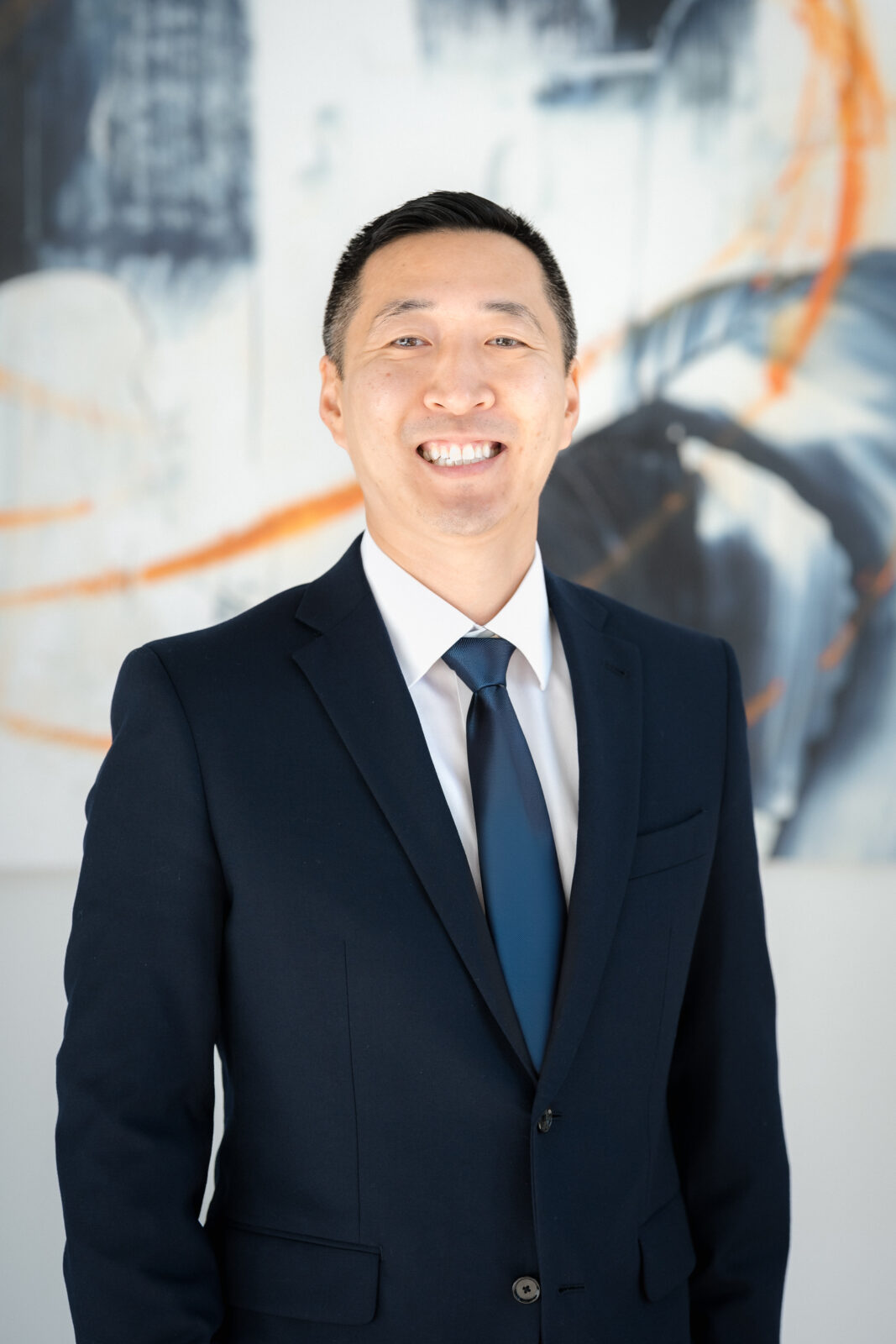
Dr. Joseph Pyun is a board-certified, fellowship-trained orthopedic spine surgeon specializing in advanced, minimally invasive techniques. Complex revision spine surgery cases are one of his areas of expertise, and he is committed to helping his patients regain function and mobility – even after an initial failed spine surgery.
Dr. Pyun’s approach is rooted in patient-based care that prioritizes education, collaboration, and shared decision-making. His goal is to provide personalized spine treatment that helps patients move forward with confidence and an improved quality of life.
Why Choose Modern Orthopaedics Of New Jersey?
Modern Orthopaedics of New Jersey is a state-of-the-art orthopedic practice with three convenient locations in Paramus, Wayne, and Parsippany. Our award-winning doctors combine advanced training with cutting-edge technology to deliver comprehensive care for a wide range of orthopedic and spine conditions.
Book An Appointment Today
Explore revision spine surgery with Dr. Joseph Pyun at Modern Orthopaedics of New Jersey. Schedule your consultation with our award-winning spine team today!

A Different Orthopedic Experience.
We combine cutting-edge technology with personalized care to deliver exceptional orthopedic treatment. Our team of experts focuses on your unique needs to ensure optimal outcomes and a superior healing experience.
Our Approach to Care
Comprehensive solutions for your orthopedic needs
Treatment Diversity
We offer a comprehensive range of treatments, ensuring personalized, targeted plans for every patient.
Technological Excellence
We utilize cutting-edge technology for precise diagnosis and innovative treatment options.
Collaborative Care
Our multi-disciplinary approach involves various specialties to provide comprehensive care and recovery.
Skilled Experts
Our team is composed of highly skilled, experienced orthopedic professionals, providing expert care.
Patient Focus
We prioritize patient comfort and satisfaction, creating a supportive environment for optimal healing.
Post-Treatment Support
Our robust post-treatment support ensures ongoing patient care through recovery and rehabilitation services.