Spinal Stenosis Treatment In Parsippany, Paramus, And Wayne, NJ
In Wayne, Parsippany, And Paramus, NJ
The Spine Center at Modern Orthopedics of New Jersey
Paramus
72 Route 17 North
Paramus, NJ 07652
Wayne
2025 Hamburg Turnpike
STE C, Wayne, NJ 07470
Parsippany
3799 US-46
#207, Parsippany, NJ 07054
Are everyday activities like walking, standing, or climbing stairs becoming more difficult due to lower back or leg discomfort? If nerve-related symptoms are limiting your mobility or causing persistent pain, it may be time to explore specialized spine care.
At Modern Orthopaedics of New Jersey, Dr. Joseph Pyun provides advanced evaluation and treatment for spinal stenosis, helping patients regain comfort, strength, and confidence in their daily routines. Schedule a consultation at our Wayne, Parsippany, or Paramus location to receive a definitive diagnosis for your symptoms and a personalized treatment plan designed to improve your mobility and overall spine health.
What Is Spinal Stenosis?
Spinal stenosis is a narrowing of the spinal canal that can compress the spinal cord or nerve roots, causing pain, numbness, or weakness. It can occur in the neck (cervical stenosis), mid-back (thoracic stenosis), or lower back (lumbar stenosis). Lumbar spinal stenosis is particularly common in older adults and a frequent source of leg pain, numbness, and difficulty walking.
Identifying the type and severity of spinal stenosis is essential to determining the safest and most effective approach for relieving symptoms and maintaining mobility.
Symptoms Of Spinal Stenosis
Spinal stenosis symptoms can vary depending on the location and severity of the narrowing, as well as whether the spinal cord or nerve roots are affected. Many patients first notice discomfort or changes in posture before more noticeable symptoms develop.
General symptoms of spinal stenosis often include:
- Persistent back or neck pain
- Stiffness in the spine
- Numbness, tingling, or weakness in the extremities
- Difficulty maintaining balance or coordination
- Reduced endurance during walking or standing
- Pain that worsens with activity and improves with rest
Symptoms of lumbar stenosis often include:
- Pain, cramping, or heaviness in the buttocks, thighs, calves, or feet
- Leg numbness or tingling that may radiate from the lower back
- Weakness in the legs that affects walking or standing
- Difficulty walking long distances or standing for extended periods
- Relief of symptoms when bending forward or sitting
While most symptoms of lumbar stenosis develop gradually, certain signs may indicate cauda equina syndrome, which is a medical emergency. Seek urgent care if you experience:
- Sudden loss of bladder or bowel control
- Numbness in the groin, inner thighs, or saddle area
- Severe leg weakness or inability to walk
- Rapidly worsening numbness, tingling, or pain in the legs
What Causes Spinal Stenosis?
Spinal stenosis can develop due to a variety of structural changes in the spine. In lumbar stenosis, the narrowing is most commonly caused by age-related degeneration of the intervertebral discs, thickening of ligaments, and the formation of bone spurs. Other contributing factors can include herniated discs, spinal injuries, and congenital abnormalities of the vertebrae or spinal canal.
These changes can reduce space within the spinal canal or nerve exit passages, increasing pressure on the nerves and leading to the symptoms described above. Risk factors for lumbar stenosis include advancing age, previous spinal injuries, physically demanding work, obesity, and genetic predisposition to degenerative spine changes.
How Spinal Stenosis Is Diagnosed
At Modern Orthopaedics of New Jersey, spinal stenosis is diagnosed through a comprehensive evaluation. Dr. Pyun begins by discussing your symptoms, medical history, and daily activities to understand how the condition is affecting your life. He also performs a physical examination to check posture, range of motion, strength, sensation, and reflexes. Imaging studies, such as X-rays, MRI, or CT scans, will be used to confirm the location and severity of the narrowing and determine whether nerves are being compressed.
Treatment Options For Spinal Stenosis
Treatment for spinal stenosis is based on the severity of symptoms, degree of nerve compression, and how the condition impacts daily activities. Most patients begin with conservative, non-surgical management, while surgery may be considered when symptoms are severe, progressive, or unresponsive to non-surgical care.
Surgical Treatment Options For Lumbar Stenosis
Non-surgical care for mild to moderate spinal stenosis symptoms may include:
- Activity Modification – Adjusting movements and daily activities to reduce nerve irritation and prevent symptom flare-ups
- Physical Therapy – Exercises to strengthen the back and core, improve flexibility, and support spinal alignment
- Medications – Pain-relieving or anti-inflammatory medications to manage discomfort
- Targeted Injections – Corticosteroid injections may be used to reduce inflammation around affected nerves
Surgical Treatment Options For Lumbar Stenosis
Surgical treatment for severe or persistent spinal stenosis symptoms may include:
- Lumbar Laminectomy – A decompression surgery where part of the vertebra (lamina) is removed to enlarge the spinal canal and relieve pressure on nerve roots. This is the most commonly performed surgical procedure for lumbar stenosis.
- Lumbar Fusion – Performed in conjunction with laminectomy when spinal instability or deformity is present. Fusion stabilizes the affected segment to reduce motion and support long-term spine function.
- Lumbar Microdiscectomy or Endoscopic Discectomy – These minimally invasive procedures may be performed when a herniated disc is contributing to nerve compression.
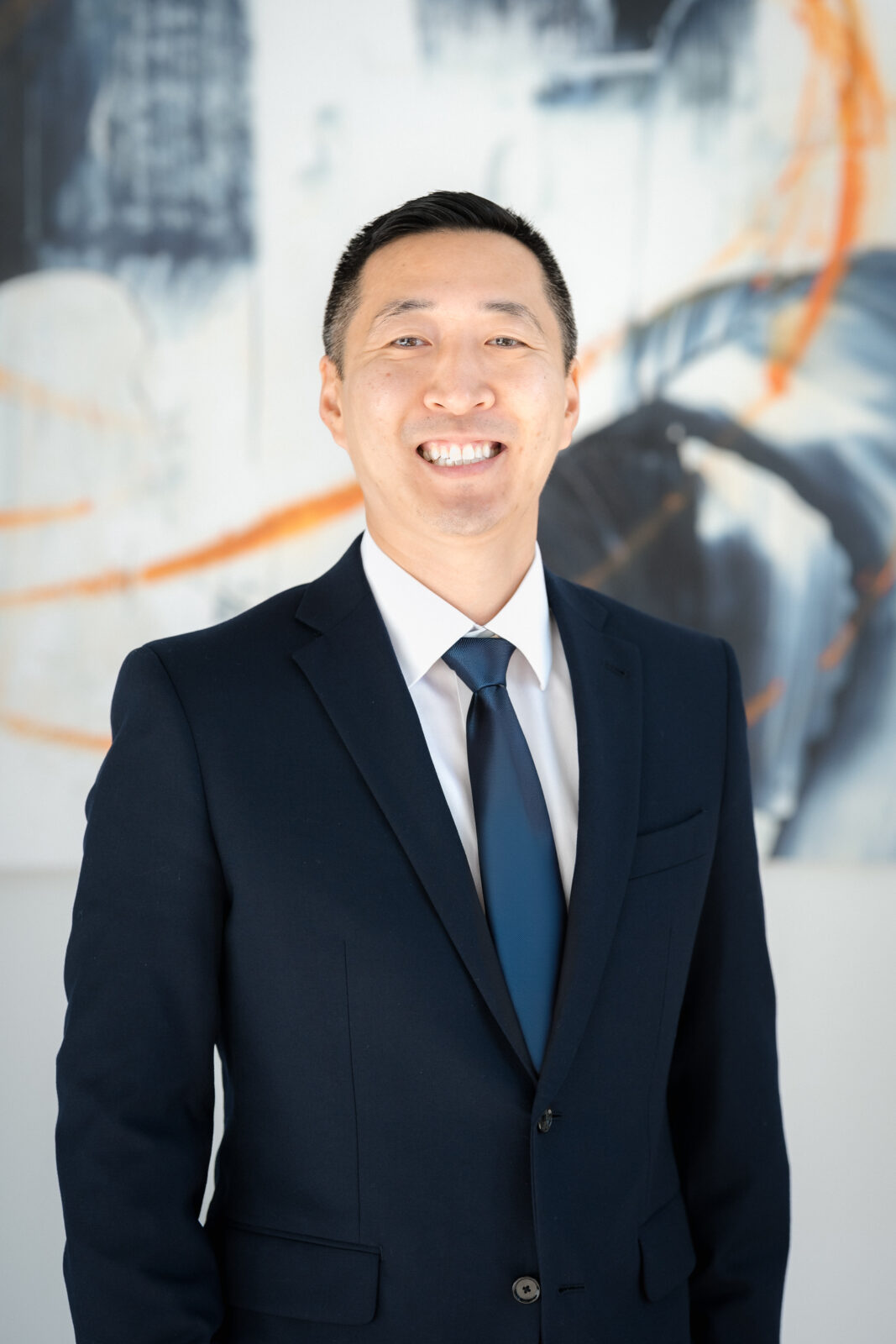
How Dr. Pyun Treats Spinal Stenosis
Dr. Pyun takes an individualized approach to spinal stenosis treatment that accounts for the severity of nerve compression along with the patient’s individual anatomy, overall health, and long-term mobility goals. Every treatment plan is designed to relieve nerve pressure, improve comfort and function, and preserve spinal mobility wherever possible.
Recovery And Long-Term Management
Recovery timelines for spinal stenosis vary depending on symptom severity, treatment type, and overall patient health. Non-surgical management often leads to gradual improvement over several weeks to months. Surgical recovery usually begins with gentle walking, followed by a progressive return to more demanding activities over several months.
Potential Risks
Like all medical interventions, non-surgical and surgical treatment options for spinal stenosis can both carry potential risks. Dr. Pyun is committed to a thorough process that includes reviewing all risks and expected outcomes during your consultation to ensure you can make informed decisions about your care.
Why Choose Dr. Pyun
Dr. Joseph Pyun is a board-certified, fellowship-trained orthopedic spine surgeon with extensive experience managing complex spinal conditions, including spinal stenosis. His approach emphasizes careful diagnosis, clear communication, and treatment planning built around each patient’s symptoms, functional limitations, and long-term mobility goals.
From the first consultation through follow-up care, the team at Modern Orthopaedics focuses on helping patients understand their diagnosis, receive timely guidance, and move forward with a treatment plan that supports comfort, function, and long-term spinal health.
Serving Wayne, Parsippany, And Paramus
Modern Orthopaedics of New Jersey provides expert spine care for patients throughout northern New Jersey, with convenient locations in Wayne, Parsippany, and Paramus. Whether symptoms are new, worsening, or have been limiting daily activities, our team helps patients take the next step toward a clear diagnosis and a personalized treatment plan.
Book An Appointment Today
If neck or arm symptoms are interfering with your daily life, it may be time to speak with a spine specialist.
Schedule your consultation with Dr. Joseph Pyun at Modern Orthopaedics of New Jersey today to learn more about cervical disc herniation treatment in Wayne, Parsippany, and Paramus.

A Different Orthopedic Experience.
We combine cutting-edge technology with personalized care to deliver exceptional orthopedic treatment. Our team of experts focuses on your unique needs to ensure optimal outcomes and a superior healing experience.
Our Approach to Care
Comprehensive solutions for your orthopedic needs
Treatment Diversity
We offer a comprehensive range of treatments, ensuring personalized, targeted plans for every patient.
Technological Excellence
We utilize cutting-edge technology for precise diagnosis and innovative treatment options.
Collaborative Care
Our multi-disciplinary approach involves various specialties to provide comprehensive care and recovery.
Skilled Experts
Our team is composed of highly skilled, experienced orthopedic professionals, providing expert care.
Patient Focus
We prioritize patient comfort and satisfaction, creating a supportive environment for optimal healing.
Post-Treatment Support
Our robust post-treatment support ensures ongoing patient care through recovery and rehabilitation services.