Anterior Lumbar Interbody Fusion (ALIF) Treatment In Parsippany, Paramus, And Wayne, NJ
In Wayne, Parsippany, And Paramus, NJ
The Spine Center at Modern Orthopedics of New Jersey
Paramus
72 Route 17 North
Paramus, NJ 07652
Wayne
2025 Hamburg Turnpike
STE C, Wayne, NJ 07470
Parsippany
3799 US-46
#207, Parsippany, NJ 07054
Lower back discomfort can make even routine movements feel challenging and significantly limit your independence and daily activities. When symptoms are caused by nerve compression related to degenerating discs, spinal instability, or structural changes, anterior lumbar interbody fusion (ALIF) surgery may provide a solution to restore stability, relieve discomfort, and support long-term spinal function.
At Modern Orthopaedics of New Jersey, Dr. Joseph Pyun specializes in the advanced evaluation and treatment of lumbar spine conditions, including minimally invasive ALIF procedures. Schedule a consultation at our Wayne, Parsippany, or Paramus location to receive a clear diagnosis and a personalized treatment plan designed to reduce pain, restore function, and improve quality of life.
What Is Anterior Lumbar Interbody Fusion (ALIF)?
Anterior lumbar interbody fusion (ALIF) is a surgical procedure used to stabilize the lower spine and relieve nerve compression caused by disc degeneration or spinal instability. Joining two or more vertebrae together creates a stable spinal segment that reduces nerve irritation and improves function.
Unlike traditional posterior lumbar fusion, ALIF is performed from the front of the body, which can allow better access to the disc space and reduce disruption of muscles and ligaments in appropriately selected patients.
When Is Anterior Lumbar Interbody Fusion (ALIF) Recommended?
ALIF is typically considered when patients experience:
- Persistent low back pain and/or nerve-related leg symptoms that have not improved with non-surgical treatments
- Spinal instability, vertebral slippage, or deformity that may worsen symptoms or risk nerve injury
- Degenerative changes affecting multiple vertebrae and discs
Dr. Pyun evaluates each patient individually to determine whether ALIF is the safest and most effective approach for their specific condition.
Who May Be A Candidate For Anterior Lumbar Interbody Fusion?
Patients may be candidates for ALIF if they have persistent, disc-related lower back or leg symptoms in combination with minimal spinal instability and adequate bone quality. Patients with severe instability, osteoporosis, multi-level degeneration beyond two discs, or other complex spinal conditions may require alternative treatment approaches.
Dr. Pyun carefully considers the severity of symptoms, the location and number of spinal levels affected, and the individual anatomy and overall health of the patient to determine whether ALIF is the best treatment option.
Benefits Of Anterior Lumbar Interbody Fusion (ALIF)
ALIF surgery can provide numerous benefits for appropriately selected patients, including:
- Reduced Nerve Compression – Decompression surgery is designed to alleviate pressure on nerve roots, reducing symptoms such as pain, numbness, and weakness
- Spinal Stability – Fusion stabilizes the treated vertebrae to prevent abnormal motion
- Improved Function – Supports mobility for walking, standing, and daily activities
- Long-Term Symptom Management – Helps prevent further progression of degenerative changes and related pain
The ALIF Procedure: What Happens During Surgery?
During an ALIF spinal fusion procedure, a vascular surgeon who works with Dr. Pyun makes a small incision in the lower abdomen, using minimally invasive techniques to safely access the spine while minimizing disruption to surrounding muscles and tissues. The disc at the affected level is carefully removed to relieve nerve compression and create a stable space for the fusion.
Once the disc space is cleared, it is prepared to accommodate a spacer and bone graft, which restores proper spacing between the vertebrae. Surgical hardware, such as screws and plates, is then used to secure the vertebrae as they fuse together over time, creating a stable spinal segment. Screws may need to be placed in the lower back for further stability through minimally invasive incisions as well.
Throughout the procedure, advanced imaging and minimally invasive techniques are used to ensure accurate placement of the graft and hardware. Dr. Pyun carefully monitors every step to maximize safety and ensure the spine is properly aligned and supported.
Conditions Treated With Anterior Lumbar Interbody Fusion
ALIF may be recommended to address a variety of lower back conditions that cause nerve compression and spinal instability, including:
- Degenerative Disc Disease – Age-related wear and tear on lumbar discs can lead to pain, reduced mobility, and nerve irritation.
- Recurrent Lumbar Disc Herniations – Protruding or ruptured discs that return or worsen after surgery
- Lumbar Radiculopathy – Nerve compression in the lower back can lead to radiating leg symptoms, difficulty walking, or standing.
- Spondylolisthesis – Forward or backward slippage of a vertebra may compromise spinal stability and irritate nerves.
- Spinal Stenosis – Narrowing of the spinal canal can increase pressure on nerve roots in the lower back.
Recovery, Rehabilitation, And Results
Many patients experience significant improvement in pain, mobility, and daily function following ALIF surgery. However, recovery varies based on the location and number of vertebrae fused, the patient’s overall health, and how closely postoperative guidelines are followed.
Patients typically begin gentle walking soon after the procedure and gradually return to light daily activities over the first few weeks. More physically demanding tasks, including work or athletic activities, are usually reintroduced progressively over a period of several months.
Participation in physical therapy is an important part of recovery, helping patients regain core strength, improve posture, and safely restore spinal movement. Dr. Pyun provides guidance at every stage to monitor progress, support healing, and reduce the risk of complications or recurrent symptoms.
Potential Risks
Like all surgical procedures, ALIF carries potential risks, including:
- Bleeding
- Infection
- Nerve irritation or injury
- Hardware-related complications
- Persistent or recurrent symptoms
- Need for additional surgery
- Reduced spinal flexibility at the fused segment
Dr. Pyun is committed to providing transparent guidance for each patient and will go over the possible risks and complications associated with ALIF surgery in detail at your consultation.
Alternatives To ALIF Surgery
Not all patients experiencing low back symptoms require ALIF surgery or another spine procedure. Depending on the severity of symptoms and their underlying cause, the following non-surgical options may provide effective relief:
- Activity Modification – Adjusting daily movements to reduce nerve irritation
- Physical Therapy – Exercises to strengthen the back and maintain safe mobility
- Medications – Pain-relieving or anti-inflammatory treatments
- Targeted Injections – Corticosteroids to reduce inflammation and relieve nerve symptoms
Dr. Pyun prioritizes less invasive treatments whenever possible, working closely with patients to determine when non-surgical care may be the most appropriate approach.
Why Choose Dr. Pyun
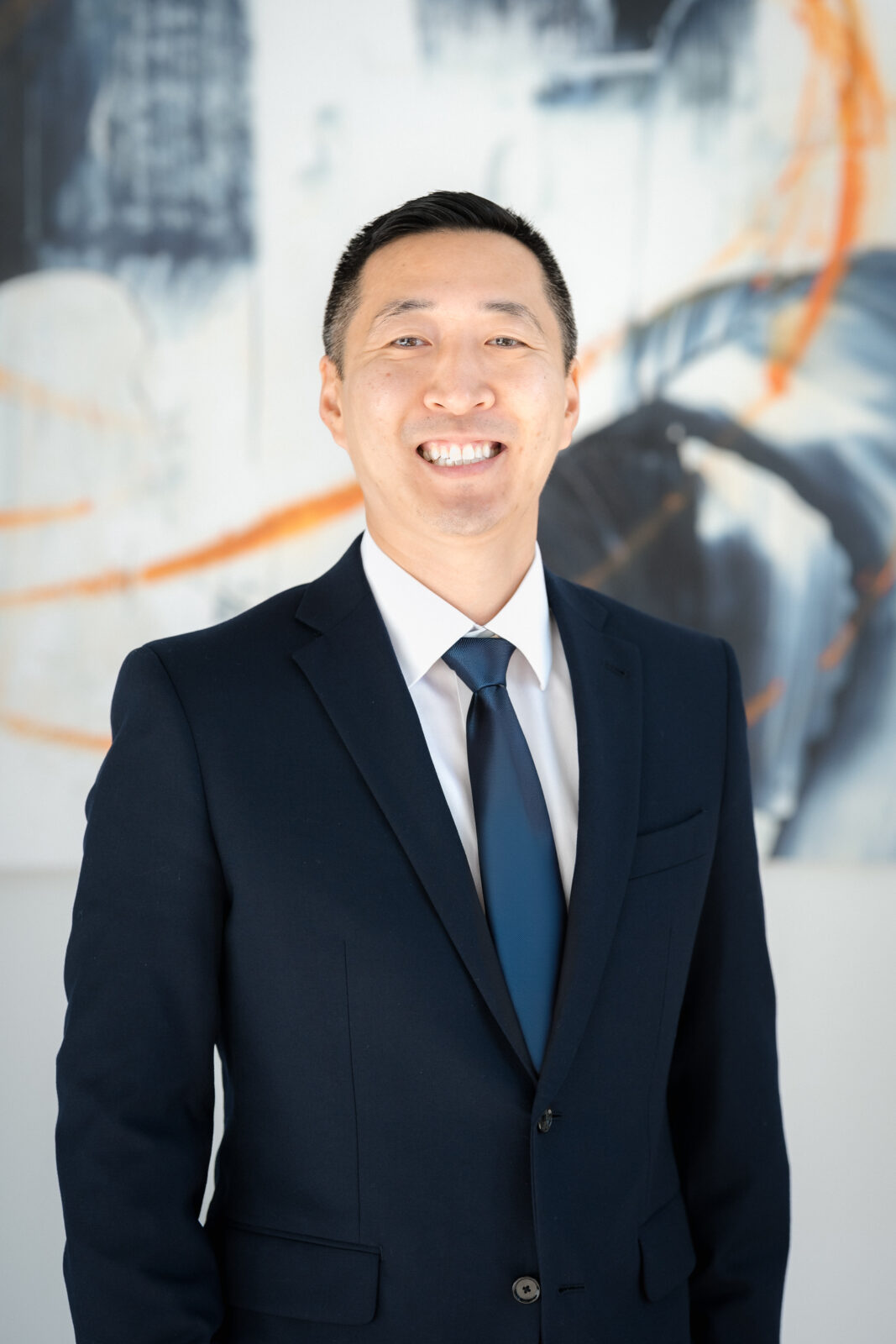
Dr. Joseph Pyun is a board-certified, fellowship-trained orthopedic spine surgeon specializing in minimally invasive and complex lumbar spine care. His approach emphasizes careful diagnosis, clear communication, and individualized planning to maximize mobility and relieve nerve-related symptoms. From consultation through follow-up care, Dr. Pyun ensures patients clearly understand their condition and treatment plan.
Serving Wayne, Parsippany, And Paramus
Modern Orthopaedics of New Jersey provides expert spine care for patients throughout northern New Jersey, with convenient locations in Wayne, Parsippany, and Paramus. Whether symptoms are new, worsening, or have been limiting daily activities, our team helps patients take the next step toward a clear diagnosis and a personalized treatment plan.
Book An Appointment Today
If lower back discomfort is affecting your daily life, schedule a consultation with Dr. Joseph Pyun at Modern Orthopaedics of New Jersey. Learn more about ALIF in Parsippany, Paramus, and Wayne, and receive a personalized care plan designed to restore function and relieve nerve-related symptoms.


A Different Orthopedic Experience.
We combine cutting-edge technology with personalized care to deliver exceptional orthopedic treatment. Our team of experts focuses on your unique needs to ensure optimal outcomes and a superior healing experience.
Our Approach to Care
Comprehensive solutions for your orthopedic needs
Treatment Diversity
We offer a comprehensive range of treatments, ensuring personalized, targeted plans for every patient.
Technological Excellence
We utilize cutting-edge technology for precise diagnosis and innovative treatment options.
Collaborative Care
Our multi-disciplinary approach involves various specialties to provide comprehensive care and recovery.
Skilled Experts
Our team is composed of highly skilled, experienced orthopedic professionals, providing expert care.
Patient Focus
We prioritize patient comfort and satisfaction, creating a supportive environment for optimal healing.
Post-Treatment Support
Our robust post-treatment support ensures ongoing patient care through recovery and rehabilitation services.