Kyphosis Treatment In Wayne, Parsippany, And Paramus, NJ
In Wayne, Parsippany, And Paramus, NJ
The Spine Center at Modern Orthopedics of New Jersey
Paramus
72 Route 17 North
Paramus, NJ 07652
Wayne
2025 Hamburg Turnpike
STE C, Wayne, NJ 07470
Parsippany
3799 US-46
#207, Parsippany, NJ 07054
Kyphosis is an excessive forward curvature of the spine that can cause the upper back to appear unusually rounded or hunched. For some patients, the curve is mild and mainly affects posture. For others, kyphosis can cause back pain, stiffness, fatigue, reduced mobility, or symptoms that interfere with daily life.
At Modern Orthopaedics of New Jersey, Dr. Joseph Pyun provides comprehensive spine care for patients with abnormal spinal curvature, posture-related concerns, and more complex spinal conditions. Schedule your consultation at our Wayne, Parsippany, or Paramus location to receive a clear diagnosis and a treatment plan built around your symptoms, spinal alignment, activity goals, and long-term spine health.
What Is Kyphosis?
When viewed from the side, the spine is not meant to be perfectly straight. It has a natural S-shaped curve that helps to balance the head, support the body’s weight, absorb force, and allow for flexible movement. The neck and lower back naturally curve slightly inward, while the upper back naturally curves slightly outward.
Kyphosis refers to an excessive outward curve of the upper back, or thoracic spine. When this curve becomes too pronounced, it can create a rounded or hunched appearance and may begin to affect posture, comfort, and mobility. The severity of kyphosis can vary widely, depending on the type of kyphosis and its underlying cause.
Types Of Kyphosis We Treat
At Modern Orthopaedics of New Jersey, our spine team evaluates and treats a variety of different types of kyphosis. These include:
- Postural Kyphosis – Postural kyphosis is often related to posture habits, muscle weakness, or prolonged rounded positioning. This type of kyphosis is usually flexible and may improve with posture training, strengthening, and physical therapy.
- Age-Related Kyphosis – Older adults may develop kyphosis due to spinal degeneration, disc changes, muscle weakness, or compression fractures related to osteoporosis.
- Congenital Kyphosis – Congenital kyphosis is present at birth and occurs when the spine does not form normally during development. This type may progress as a child grows and often requires careful monitoring.
- Scheuermann’s Kyphosis – Scheuermann’s kyphosis is a structural condition that usually develops during adolescence. It occurs when several vertebrae become wedge-shaped, causing a more rigid forward curve in the upper back.
- Post-Traumatic Kyphosis – Post-traumatic kyphosis can develop after a spinal fracture, dislocation, or other traumatic injury that affects spinal alignment.
- Neuromuscular Kyphosis – Neuromuscular kyphosis develops when a condition affecting muscle control, strength, or coordination contributes to abnormal spinal curvature.
What Causes Kyphosis?
Kyphosis can develop due to changes in the shape, strength, or alignment of the spine. Common underlying causes include:
- Postural changes, especially long periods spent with rounded shoulders
- Abnormal vertebral development
- Degenerative spine changes
- Vertebral compression fractures, often related to osteoporosis or low bone density
- Traumatic spine injuries
- Neuromuscular conditions such as cerebral palsy, muscular dystrophy, or spina bifida
Symptoms Of Kyphosis
Kyphosis symptoms can vary depending on the degree of curvature, its underlying cause, and whether the condition is flexible, structural, or progressive in nature. Symptoms may develop gradually, with many patients first noticing posture changes or increasing discomfort before the curve becomes more apparent.
Dr. Pyun frequently treats patients experiencing kyphosis symptoms that include:
- A rounded or hunched appearance of the upper back
- Back pain or stiffness
- Fatigue in the muscles surrounding the spine, especially when standing or during activity
- Height loss or postural changes
- Nerve-related symptoms such as radiating pain, weakness, or changes in sensation
Seek prompt medical attention if you experience rapidly worsening weakness, difficulty walking, major balance changes, loss of coordination, symptoms affecting both legs, or new difficulty breathing. These symptoms may indicate more serious spinal cord, nerve, or structural involvement and should not be ignored.
Treatment For Kyphosis
Kyphosis treatment depends on the type of kyphosis, the degree of the curve, the patient’s symptoms, and whether the curvature is progressing. Mild or flexible kyphosis often responds well to conservative treatment, while spine surgery may be considered in more severe cases.
When kyphosis is severe, progressive, structurally unstable, worsening despite conservative treatment, or associated with nerve or spinal cord compression, Dr. Pyun may recommend surgery. Surgical care for kyphosis can vary depending on the specifics of the case and may be focused on improving alignment, stabilizing the spine, relieving nerve pressure, or preventing further progression.
At Modern Orthopaedics of New Jersey, non-surgical treatment options for kyphosis may include:
- Observation and monitoring for mild kyphosis
- Activity modification
- Physical therapy
- Bracing
- Pain or anti-inflammatory medications
How Dr. Pyun Treats Kyphosis
Dr. Pyun takes an individualized approach to kyphosis treatment that accounts for the type of kyphosis, the degree and flexibility of the curve, the patient’s symptoms, and whether nerve or spinal cord compression is present. Every treatment plan is tailored to the patient’s mobility needs, activity goals, and long-term spine health.
For some patients, the goal of treatment may be to improve posture, strengthen the muscles that support the spine, and reduce discomfort during daily activities. For others, treatment may focus on monitoring the curve, slowing progression, addressing structural changes, or determining whether surgical correction is needed.
During your consultation, Dr. Pyun will help you understand what type of kyphosis you have, the factors that may be contributing to your symptoms, and which treatment options are best suited to your condition.
Why Choose Modern Orthopaedics Of New Jersey For Kyphosis Care
Modern Orthopaedics of New Jersey provides advanced orthopedic spine care in a state-of-the-art clinical environment. For patients with kyphosis, this means access to a spine specialist who understands how abnormal spinal curvature can affect posture, comfort, mobility, and confidence in daily life.
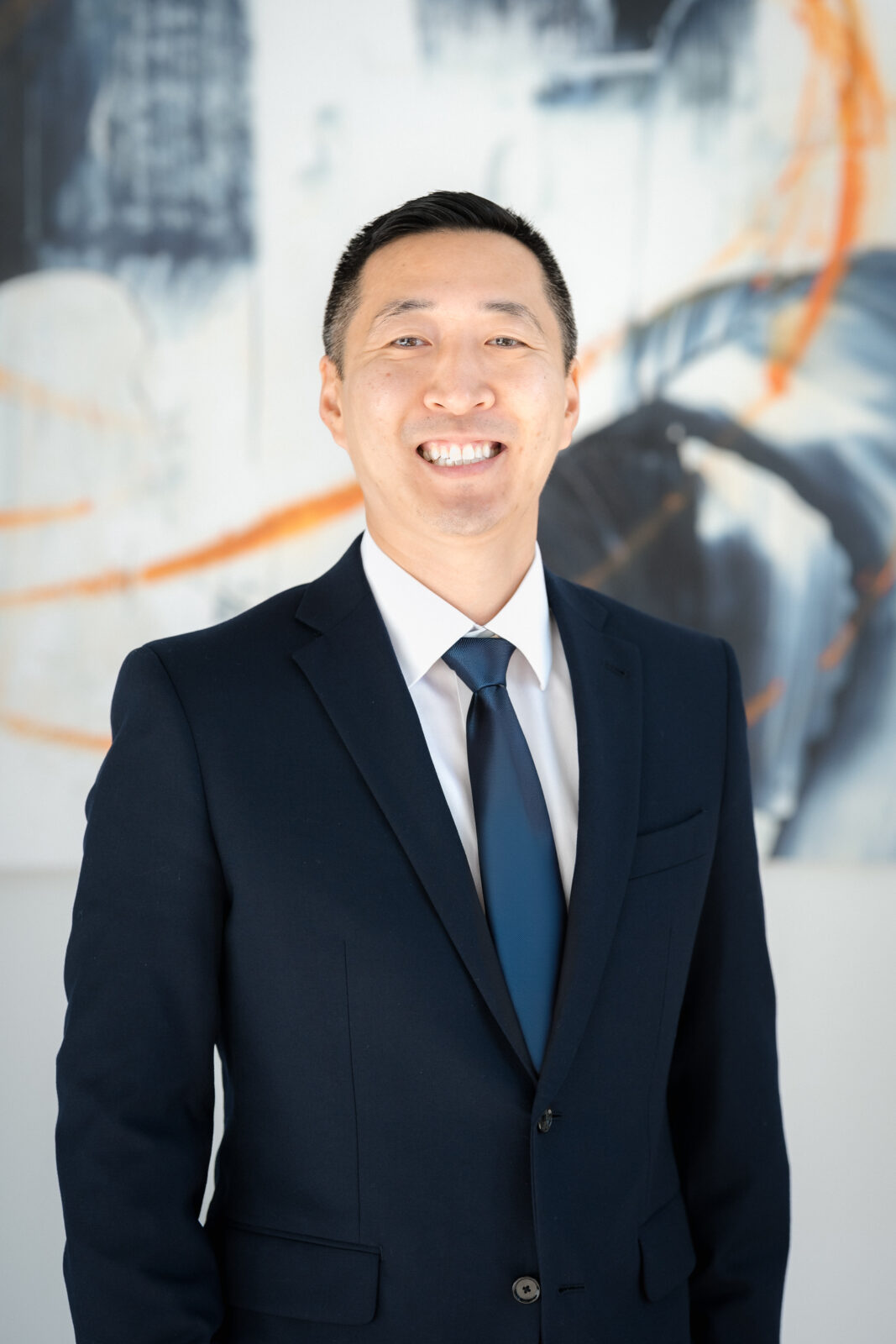
Dr. Joseph Pyun is a board-certified, fellowship-trained orthopedic spine surgeon specializing in complex and minimally invasive spine care. His approach emphasizes careful diagnosis, clear communication, and treatment planning built around each patient’s symptoms, spinal alignment, lifestyle, and activity goals.
From the first visit through follow-up care, the team at Modern Orthopaedics focuses on helping patients understand their diagnosis, receive thoughtful guidance, and move forward with a treatment plan that supports long-term spinal function.
Serving Wayne, Parsippany, And Paramus
Modern Orthopaedics of New Jersey provides kyphosis treatment for patients throughout northern New Jersey, with convenient locations in Wayne, Parsippany, and Paramus.
Whether your posture changes are new, worsening, or have been a concern for years, our team can help you take the next step toward a clearer diagnosis and personalized treatment planning.
Book An Appointment Today
If kyphosis is causing pain, posture changes, reduced mobility, or concern about spinal alignment, a spine evaluation can help you understand what is causing the curve and whether treatment is needed.
Schedule your consultation with Dr. Joseph Pyun at Modern Orthopaedics of New Jersey today to receive a clear diagnosis and personalized guidance for kyphosis treatment.
Frequently Asked Questions About Lumbar Radiculopathy
How can I fix kyphosis naturally?
Some posture-related kyphosis may improve with physical therapy, strengthening, posture training, and activity changes. However, not every curve can be corrected naturally. At Modern Orthopaedics of New Jersey, Dr. Pyun can determine whether your kyphosis is flexible and posture-related or caused by a structural spine issue that may require additional treatment.
What should you avoid if you have kyphosis?
The safest approach depends on the cause of the kyphosis and whether the curve is progressing. In general, patients with kyphosis should avoid forcing painful postural corrections or pushing through symptoms that are getting worse. Depending on the type and severity of the curve, Dr. Pyun may also recommend modifying heavy lifting, high-impact activities, or other positions or movements that increase discomfort.
How long does it take to reverse kyphosis?
The timeline depends on the type of kyphosis. Flexible, posture-related kyphosis may improve gradually with consistent therapy and strengthening, while structural kyphosis may not fully reverse without more advanced care. Dr. Pyun can evaluate the curve, explain what type of improvement is realistic, and develop a treatment plan and timeline estimate based on the specifics of your case.

A Different Orthopedic Experience.
We combine cutting-edge technology with personalized care to deliver exceptional orthopedic treatment. Our team of experts focuses on your unique needs to ensure optimal outcomes and a superior healing experience.
Our Approach to Care
Comprehensive solutions for your orthopedic needs
Treatment Diversity
We offer a comprehensive range of treatments, ensuring personalized, targeted plans for every patient.
Technological Excellence
We utilize cutting-edge technology for precise diagnosis and innovative treatment options.
Collaborative Care
Our multi-disciplinary approach involves various specialties to provide comprehensive care and recovery.
Skilled Experts
Our team is composed of highly skilled, experienced orthopedic professionals, providing expert care.
Patient Focus
We prioritize patient comfort and satisfaction, creating a supportive environment for optimal healing.
Post-Treatment Support
Our robust post-treatment support ensures ongoing patient care through recovery and rehabilitation services.

About Us
Modern Orthopaedics specializes in conditions and treatments of the shoulder, elbow, hand/wrist, hip, knee and foot/ankle with locations in Wayne, Parsippany, and Paramus, NJ.
Offices
Navigation
Contact Us