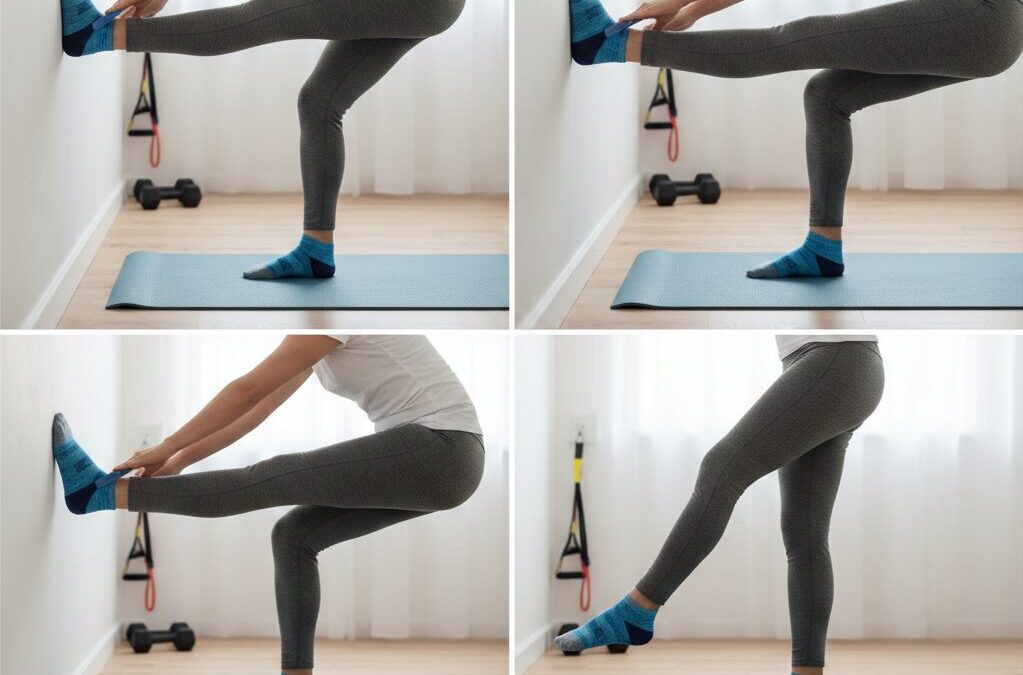
Struggling with heel pain first thing in the morning or after periods of physical activity? The underlying cause could be plantar fasciitis – a common condition that develops when repeated stress damages the plantar fascia, the thick band of tissue that runs along the bottom of the foot.
In this post, our team at Modern Orthopaedics of New Jersey has put together a user-friendly guide to seven proven stretches that can help relieve heel pain associated with plantar fasciitis. Ready to learn more and receive a personalized treatment plan tailored to your needs and mobility goals? Contact us directly to schedule an initial consultation with our world-class specialists!
What Is Plantar Fasciitis?
Plantar fasciitis is a progressive condition characterized by sharp or aching pain along the bottom of the foot, and especially the heel. Discomfort is most common during the first few steps after resting or getting out of bed, but may also be exacerbated by long periods of standing, walking, or physical activity.
When excess pressure is repeatedly placed on the plantar fascia – the long ligament found at the bottom of the foot that connects the heel to the front of the foot and helps support the arch – the tissue can become damaged, leading to pain and inflammation that worsen over time. Many factors can contribute to the development of plantar fasciitis, including obesity, high foot arches, repetitive impact activities, and tight calf muscles.
Plantar fasciitis can usually be treated with conservative measures like rest, ice, NSAIDs, and proper footwear. Targeted stretches and exercises are also often a vital part of the recovery process.
The 7 Best Plantar Fasciitis Stretches (Step-By-Step)
The stretches and exercises outlined below are generally considered low risk. Nevertheless, consulting with your healthcare provider before starting a new exercise routine is strongly recommended – particularly if you have other medical conditions or are experiencing severe heel pain. At Modern Orthopaedics of New Jersey, our specialists suggest starting slowly and gradually increasing the intensity of stretches and exercises over time to avoid overloading the plantar fascia:
1) Wall Calf Stretch
The wall calf stretch lengthens the calf muscles, which can help reduce tension associated with plantar fasciitis and improve foot mobility:
- Stand facing a wall with arms extended and hands on the wall.
- Step one foot back, leaving the other closer to the wall. Both feet should point straight forward.
- Bend the front leg, keeping the back leg straight. Press the heel of the back leg into the floor.
- Lean forward slightly until you feel a stretch in the calf of the back leg.
- Hold for 20 to 30 seconds. Repeat 2 to 3 times on each leg.
Perform this stretch daily or as needed, especially before and after physical activity.
2) Towel Toe Stretch
This stretch directly targets the plantar fascia and muscles supporting the arch of the foot:
- Sit on the floor with your legs extended in front of you.
- Place a towel (or resistance band) around the ball of one foot, holding the ends with your hands.
- Gently pull your toes toward you until you feel a stretch along the bottom of your foot.
- Hold for 15 to 30 seconds. Repeat 2 to 3 times on each leg.
Perform this stretch first thing in the morning or whenever you feel heel pain and stiffness.
3) Seated Big Toe & Plantar Fascia Stretch
Like the towel toe stretch, this stretch specifically targets the plantar fascia and the muscles that support the arch of the foot:
- Sit in a chair with one foot crossed over the opposite knee, so you can comfortably reach your toes.
- Gently pull your big toe up toward your shin with one hand. Massage along the arch of the foot with the other hand, if desired.
- Hold for 15 to 30 seconds. Repeat 2 to 3 times on each leg.
Perform this stretch daily or as needed, particularly after periods of sitting or rest.
4) Bottom-Step Calf Stretch
This stretch gently lengthens the calf muscles and Achilles tendon, reducing stress on the plantar fascia:
- Stand on a step with your heels hanging over the edge. Be sure to hold onto a railing for support.
- Slowly lower your heels down toward the floor until you feel a stretch in your calves and along the backs of your ankles.
- Hold for 20 to 30 seconds. Repeat 2 to 3 times.
Perform this stretch 1 to 2 times per day, or as needed.
5) Frozen Water Bottle Roll
This exercise combines gentle massage and cold therapy to simultaneously reduce inflammation and stretch the plantar fascia:
- Sit in a chair with a frozen water bottle positioned under the arch of your foot.
- Gently roll your foot back and forth over the bottle, moving from the ball of the foot to the heel and back again.
- Continue for 1 to 2 minutes (or longer, if desired). Repeat 1 to 2 times per foot.
Perform this exercise multiple times per day, or as needed.
6) Short-Foot & Towel Scrunch
Both of these exercises reduce pressure on the plantar fascia by helping to strengthen the muscles that stabilize the arch of the foot:
Short-Foot Exercise
- Sit or stand with the feet flat on the floor.
- Gently pull the ball of one foot toward the heel without curling the toes. This should slightly increase the natural arch of the foot.
- Hold for 5 to 10 seconds. Repeat 10 times per foot.
Towel Scrunch Exercise
- Sit in a chair with a small towel laid flat under your foot.
- Use your toes to pull the towel toward you by “scrunching” it under the arch of your foot.
- Repeat 10 to 15 times per foot.
Perform these exercises 1 to 2 times per day, or as needed.
7) Eccentric Heel Raises
Eccentric heel raises help strengthen the calf muscles and Achilles tendon, improving the stability of the foot:
- Stand on a step with your heels hanging over the edge. Be sure to hold onto a railing for support.
- Rise up onto the balls of the feet (tiptoes).
- Shift the weight to the affected foot and slowly lower the heel below the level of the step.
- Repeat 10 to 15 times.
Perform these exercises 1 to 2 times per day.
When Plantar Fasciitis Pain Needs A Pro
Many cases of plantar fasciitis improve with at-home treatment and stretching, but certain symptoms indicate that it’s time for an evaluation by a healthcare professional. These include:
- Severe or worsening heel pain that persists despite at-home treatment
- Heel pain that is accompanied by other symptoms like swelling, redness, or warmth
- Tingling, numbness, or weakness in the foot or toes
If you experience any of these symptoms, make an appointment with your healthcare provider or orthopedic specialist as soon as possible.
Ready To Fix Heel Pain Now?
Ready to start your plantar fasciitis treatment journey with personalized care provided by some of New Jersey’s leading orthopedic specialists? Schedule your initial consultation at Modern Orthopaedics of New Jersey today to take your first step toward active, pain-free living!