Hip replacement surgery has become well-known as one of the most frequently performed and successful orthopedic surgeries. More than 1 million patients are estimated to undergo the procedure every year around the globe, and more than 2.5 million Americans live with artificial hip joints.
If you’re considering hip replacement surgery, you’ll be reassured to know that the 2023 American Joint Replacement Registry Annual Report indicates that 92% of patients received a meaningful improvement in their Hip Disability and Osteoarthritis Score following the procedure. But what should you actually expect from a hip replacement, and how can you prepare yourself for the smoothest recovery possible?
In this post, we’ve put together a patient-friendly guide to understanding hip replacement surgery – including how to prepare for it and what to expect from the recovery process. Ready to learn more and receive a personalized evaluation of your hip joints? Contact us at Modern Orthopaedics of New Jersey today to schedule an initial consultation.
Understanding Hip Replacement Surgery
In order to understand hip replacement surgery, a refresher on hip anatomy is helpful:
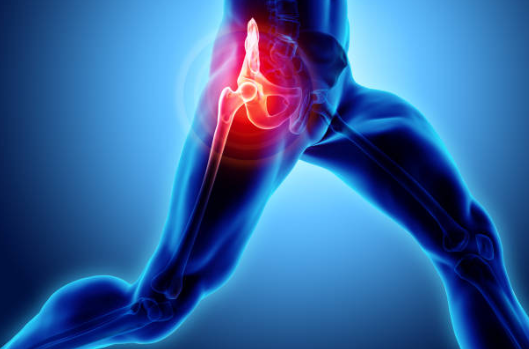
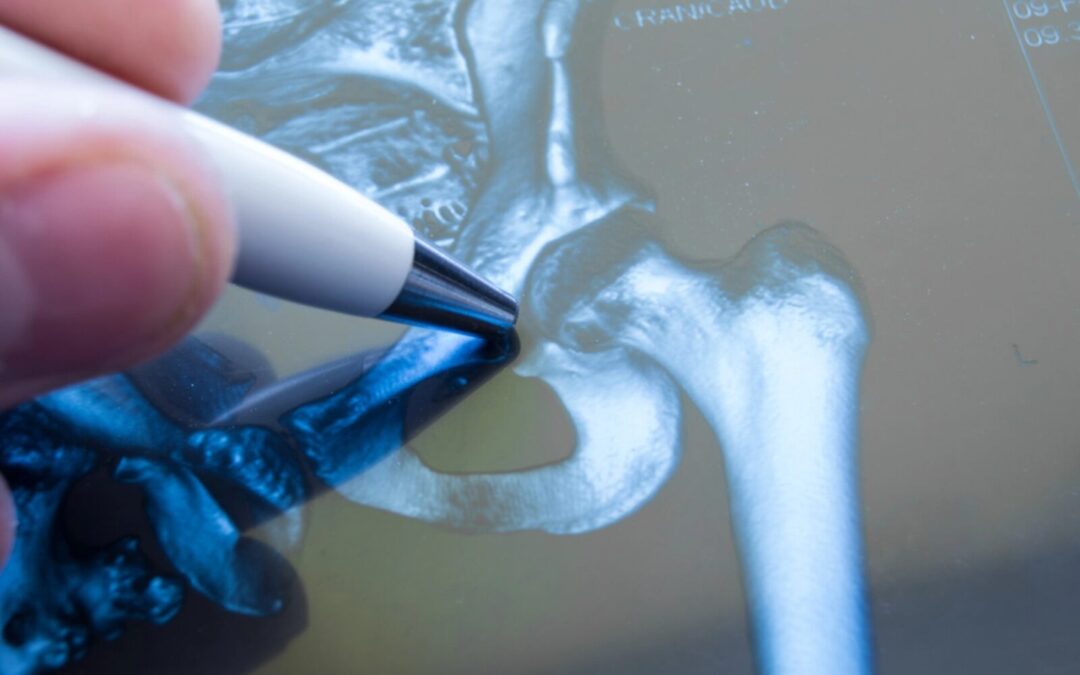
- The hip joint is known as a ball-and-socket joint. It brings together the thigh bone (femur) and the hip bone (pelvis).
- Specifically, the rounded top of the thigh bone (known as the femoral head) fits into a cup-like socket in the pelvis (known as the acetabulum).
- In a healthy hip joint, the bone surfaces of the ball and socket are covered with cartilage that enables them to glide smoothly against each other, allowing for painless movement and a full range of motion.
What Is Hip Replacement?
Hip replacement surgery removes damaged or diseased portions of the hip joint and replaces them with metal, plastic, or sometimes ceramic implants in order to reduce pain and restore function. Most commonly, both the ball and socket are replaced (known as total hip replacement surgery), but in some cases, only the ball or socket is replaced (known as partial hip replacement surgery).
At Modern Orthopaedics of New Jersey, we specialize in direct anterior total hip arthroplasty, a minimally invasive and muscle-sparing approach that allows for a faster recovery. Dr. Lorraine Stern and Dr. James Lee, our joint replacement surgeons, excel in the latest hip replacement techniques and technology, including robotic surgery using the Mako SmartRobotics system.
When Is Hip Replacement Needed?
Hip replacement may be necessary if hip pain and loss of hip function are negatively affecting your ability to perform daily activities and lowering your quality of life. Some telltale signs that it’s time to have your hip joints evaluated may include:
- Hip pain that is persistent, worsens over time, and/or doesn’t improve with non-invasive treatment approaches
- Difficulty walking, going up or down stairs, or getting into and out of chairs
- Hip pain that disrupts sleep
Cartilage deterioration due to arthritis is the most common cause of hip replacement surgery, but many other injuries and conditions can also lead to irreparable damage in the hip joint.
Is Hip Replacement Major Surgery?
Yes, hip replacement is generally considered to be a major orthopedic surgery. Here’s why:
Factors That Make Hip Replacement A Major Surgery
- Complexity of the Procedure – Hip replacement surgery is an advanced procedure that involves cutting through muscles, working around major blood vessels and nerves, and removing damaged bone. Patients are typically in surgery for between 1 to 2 hours total.
- Hospitalization and Anesthesia – Hip replacement surgery is typically performed in a hospital setting under local anesthesia and sedation.
- Significant Recovery Period – Often, it takes 3 to 6 weeks before patients can begin to return to a regular routine after hip replacement surgery. Most patients require between 6 to 12 months to make a complete recovery.
Risks & Complications Of Hip Replacement Surgery
The advanced traditional and robotic surgical techniques we use at Modern Orthopaedics of New Jersey help to ensure exceptional patient outcomes. That being said, hip replacement surgery – like any major surgery – comes with the potential for risks and complications. These can include:
- Nerve damage
- Bleeding
- Dislocation of the new hip joint
- Blood clots
- Infection
- Mobility limitations (especially during the recovery period)
- Leg length discrepancy
Speak with one of our award-winning orthopedic surgeons to learn more about surgical risks and complications based on the specifics of your case.
Preparing For Hip Replacement Surgery
If an in-depth evaluation of your symptoms and hip function reveals that hip replacement surgery is the best treatment approach moving forward, Dr. Stern or Dr. Lee will work closely with you to help you prepare for the procedure. At Modern Orthopaedics of New Jersey, our approach to patient care is relationship-based, and we’ll do everything possible to ensure that you feel confident, supported, and well-informed leading up to surgery day.
Pre-Surgery Consultations & Tests
Before undergoing hip replacement surgery at Modern Orthopaedics of New Jersey, you’ll need to see your primary care doctor for medical optimization. If you have heart problems, consulting with your cardiologist will also be an essential step. Additionally, all patients undergoing joint replacement are required to attend a preparatory class at the hospital.
Preparing Your Home For Recovery
Besides the medical appointments and consultations outlined above, getting your home ready is also a vital step in preparing for hip replacement surgery. Consider the space you have and any adaptations that may be necessary to facilitate the safest, most comfortable recovery possible. Common home preparations before hip replacement surgery often include:
- Rearranging furniture to ensure there’s enough space to move comfortably with a mobility aid
- Removing and/or securing loose rugs or carpets
- Stocking up on pre-made or easy-to-prepare meals
- Rearranging clothes, as well as kitchen and bathroom essentials, to be stored at waist level or higher
- Installing a raised toilet seat and bed/chair raises (as recommended by your surgeon)
- Arranging for a friend or family member to transport you from the hospital and help out with household chores during the initial recovery period
Making Lifestyle Adjustments Before Surgery
Going into hip replacement surgery in optimal health can improve your chances of a quick and smooth recovery process. As you await your procedure, here are some lifestyle adjustments you can make in preparation:
- Quit smoking. Being tobacco-free for even one month prior to surgery can significantly decrease your risk of complications.
- If you are diabetic, work to carefully manage your blood sugar in the weeks leading up to surgery.
- Optimize your weight and nutrition as surgery approaches.
- Speak with your dentist to ensure that any necessary dental work is completed prior to hip replacement surgery (dental work can increase the risk of infection following joint replacement surgery).
Post-Surgery Recovery And Rehabilitation
What should you expect post-hip replacement surgery? Below, we’ve provided a general overview of the recovery process:
Initial Recovery & Hospital Stay
Most patients are able to go home the day after hip replacement surgery, but still require support from home care services for the first few days. While in the hospital, you’ll have several sessions with a physical therapist who will help you get your new joint moving right away – sometimes even right in the recovery room (this is one of the reasons hip replacement surgery is often performed under local anesthetic and sedation instead of general anesthetic).
Physical Therapy & Mobility Training
Physical therapy is paramount after hip replacement surgery to ensure the best possible outcomes and a full return to optimal strength, flexibility, and mobility (walking). Patients typically work with a physical therapist for 3 to 6 months following their procedure – first in the hospital, then at home, and finally in the office.
Long-Term Recovery Tips
Following the first 3 to 6 weeks of recovery after hip replacement surgery, you should begin to experience significant pain reduction and improvements in strength and mobility. As your rehabilitation journey continues, keep these tips in mind over the long term:
- Focus on low-impact activities whenever possible (swimming, walking, cycling)
- Commit to ongoing strength training and exercise (within the parameters recommended by your doctor)
- Maintain a healthy body weight and excellent nutrition
- Protect against falls (practice balance exercises, keep a safe and tidy home)
- Monitor your hip closely for any concerning symptoms
Is Hip Replacement Right For You? Consult With A Specialist For Personalized Guidance
Is hip replacement right for you? At Modern Orthopaedics of New Jersey, our fellowship-trained specialists are ready to provide you with personalized care and an individualized treatment plan tailored to your needs. Discover the best treatments available for hip pain and replacement when you schedule an appointment at our Paramus, Parsippany, or Wayne clinic today!