Advances in shoulder replacement surgery have made the procedure safer, quicker, more popular, and more effective than ever before – especially for individuals with a severely damaged shoulder joint. However, shoulder replacement isn’t the only solution for shoulder pain. In this post, we’ve explored some less invasive treatment options that may offer long-term relief without the need for surgery.
At Modern Orthopaedics of New Jersey, our fellowship-trained upper-extremity specialists are committed to tailoring treatments to the unique needs and goals of each patient, using the least invasive approaches possible. Take the first step toward regaining full mobility and function in your shoulder joint when you schedule an initial consultation at one of our clinics today!
Key Takeaways
- Shoulder replacement surgery is safer, quicker, and more effective than ever before, but it’s not the only treatment option available for shoulder pain.
- Non-surgical treatment options often include lifestyle modifications, physical therapy, and pain relief medications or injections.
- If shoulder replacement surgery is deemed necessary, a total shoulder replacement, partial shoulder replacement, or reverse shoulder replacement may be performed.
- The right treatment option for your shoulder pain depends on your mobility goals and the specifics of your case. Schedule an appointment with our leading team at Modern Orthopaedics of New Jersey to learn more!
What Is Shoulder Replacement Surgery?
Shoulder replacement surgery, also known as shoulder arthroplasty, is a procedure in which damaged parts of the shoulder joint are removed and replaced with artificial components (prosthetic implants). This surgery is typically performed to alleviate pain and restore function in cases of severe joint damage, especially when more conservative treatments have proven ineffective. At Modern Orthopaedics of New Jersey, our specialists are highly trained and experienced in the latest shoulder replacement technologies and techniques.
Non-Surgical Alternatives
Shoulder damage can occur for a wide variety of reasons and symptoms, including pain, inflammation, and even loss of function, but are often highly treatable with non-invasive or minimally invasive approaches:
Lifestyle Modifications
Depending on the severity and underlying cause of your shoulder pain, making some simple changes to your daily routine could help to significantly improve your discomfort. Speak directly with one of our shoulder specialists to learn more about which of the following may be most beneficial based on your specific needs and mobility goals:
- Activity Modification – Avoid overuse of the shoulder joint, particularly overhead motions and heavy lifting. Be sure to take plenty of rest as needed, especially at the onset of pain or other symptoms.
- Weight Management – Carrying excess weight increases pressure on the joints and is a risk factor for the development of osteoarthritis (one of the primary conditions leading to shoulder replacement surgery). Maintaining a healthy body weight can be a critical step in reducing pain, inflammation, and other shoulder symptoms.
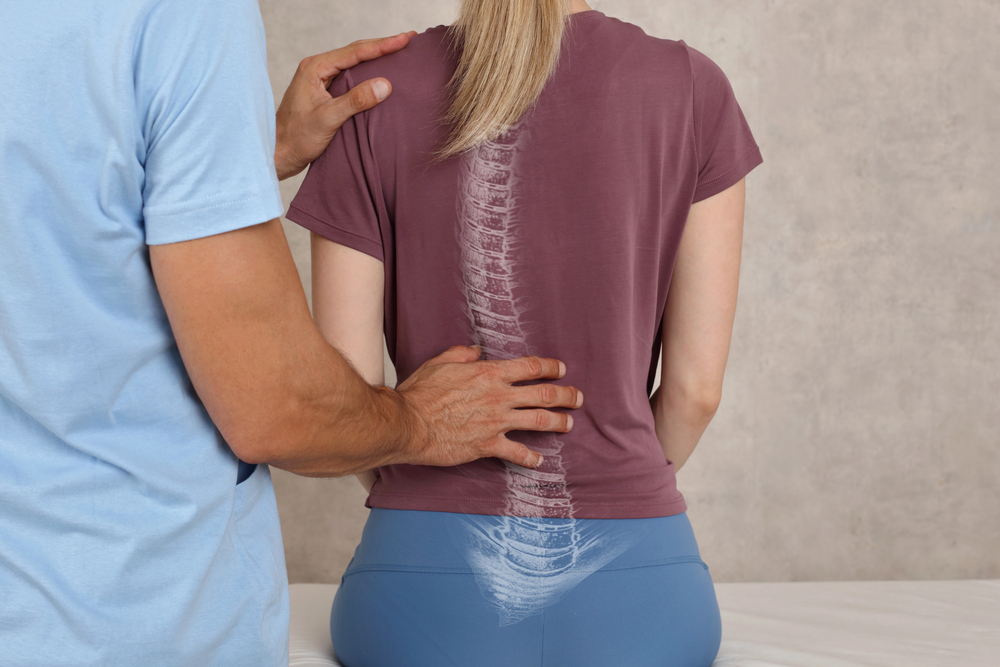
- Posture Correction – Poor posture, such as slouching or rounding the shoulders forward, can increase pressure on the shoulder joints, exacerbating pain and other symptoms. Focus on keeping the spine tall, shoulders back, and head centered (not jutting forward or back) when sitting and standing.
- Ergonomic Adjustments – Optimizing the ergonomics of your computer workstation can be pivotal in reducing shoulder pain associated with poor posture and work habits throughout the day.
- Bracing – Your doctor may recommend a brace or supportive device to help mobilize the shoulder joint during certain activities.
Physical Therapy
Physical therapy is an essential element of rehabilitation following shoulder replacement surgery, but it can also serve as an alternative to the procedure – especially in cases where joint damage is mild to moderate. Components of physical therapy treatment for shoulder pain may include:
- Targeted stretches and exercises to improve flexibility, strength, stability, and range of motion
- Manual therapy (hands-on techniques like joint mobilization, myofascial release, or soft tissue massage)
- Posture correction
- Movement retraining
- Modalities like ice/heat therapy, ultrasound therapy, or electrical stimulation (TENS)
Medications & Injections
Over-the-counter pain relievers like ibuprofen or naproxen can provide short-term pain relief for mild to moderate shoulder conditions or injuries. If pain is severe and persistent, your shoulder specialist may also prescribe stronger pain relievers.
Injections may be another pain relief option for some kinds of shoulder pain. Corticosteroid injections deliver a combination of steroid medication and local anesthetic to the shoulder joint and can provide temporary symptom relief for up to a few months. Regenerative injections, like platelet-rich plasma (PRP) injections or stem cell therapy, involve using organic substances derived from the patient’s own body to naturally promote healing and tissue regeneration.
When Is Shoulder Replacement Surgery Required?
Your shoulder specialist will work closely with you to determine whether shoulder replacement surgery is the best treatment option for your situation. Indications that it might be often include:
- Chronic shoulder pain that is severe, persistent, and hasn’t responded to non-surgical treatments
- Severe shoulder arthritis or another degenerative shoulder condition
- Chronic shoulder instability or frequent dislocations of the shoulder joint
- A shoulder fracture that is severe or fails to heal properly
- A severe rotator cuff injury
- Loss of function that affects the ability to perform daily tasks and negatively impacts quality of life
Types Of Shoulder Replacement Surgeries
There are three primary types of shoulder replacement surgery. If your shoulder specialist determines that shoulder replacement is the best course of action moving forward, they’ll recommend one of the following procedures:
Total Shoulder Replacement
During total shoulder replacement surgery, both the head of the humerus (the ball) and the glenoid (the shoulder socket) are simultaneously replaced with prosthetic implants.
Partial Shoulder Replacement
During a partial shoulder replacement, only one component of the joint is replaced (either the ball or socket) while the other healthy component remains intact.
Reverse Shoulder Replacement
As its name indicates, reverse shoulder replacement surgery reverses the position of the ball and socket, allowing the deltoid muscle to take over the shoulder’s lifting function and movement instead of the rotator cuff. This type of surgery may be recommended when the rotator muscles are severely damaged.
Common Risks With Shoulder Surgeries
Our leading orthopedic shoulder specialists do everything possible to minimize the risks associated with shoulder surgery and ensure exceptional patient outcomes. Nevertheless, it’s important to be aware of the potential for complications, including the following:
- Infection
- Blood clots
- Nerve damage
- Allergic reactions
- Implant loosening or dislocation
- Stiffness or limited range of motion
Speak directly with your surgeon to learn more about the potential risks and complications of shoulder surgery based on your particular situation.
Book An Appointment Today
Living with shoulder pain and seeking world-class orthopedic surgeons in Wayne, NJ, Parsippany, NJ, or Paramus, NJ? The award-winning specialists at Modern Orthopaedics of New Jersey are ready to help.
Contact us today to schedule an appointment and take your first step toward a complete and lasting recovery! We look forward to working with you.