Cervical Radiculopathy In New Jersey
In Wayne, Parsippany, And Paramus, NJ
The Spine Center at Modern Orthopedics of New Jersey
Paramus
72 Route 17 North
Paramus, NJ 07652
Wayne
2025 Hamburg Turnpike
STE C, Wayne, NJ 07470
Parsippany
3799 US-46
#207, Parsippany, NJ 07054
Cervical radiculopathy occurs when a nerve root in the neck becomes irritated or compressed, often causing symptoms that travel into the shoulder, arm, hand, or fingers. Patients may experience radiating pain, altered sensation, weakness, or difficulty with arm and hand function.
At Modern Orthopaedics of New Jersey, Dr. Joseph Pyun frequently evaluates cases of cervical radiculopathy, creating individualized treatment plans based on each patient’s needs and activity goals. Schedule a consultation at our Wayne, Paramus, or Parsippany location to learn whether cervical radiculopathy may be causing your symptoms and which treatment options can best support your comfort, mobility, and daily function.
What Is Cervical Radiculopathy?
Cervical nerve roots exit the spine and carry sensation and movement signals between the neck and the shoulders, arms, hands, and fingers. Cervical radiculopathy, often called a pinched nerve, occurs when one or more of these nerve roots becomes compressed or irritated.
Symptoms often follow the pathway of the affected nerve. Depending on which nerve root is involved, pain or changes in sensation may extend into a specific area of the shoulder, arm, hand, or fingers. Some patients also develop weakness in certain muscles or changes in reflexes.
What Causes Cervical Radiculopathy?
Common causes of cervical radiculopathy include:
- Cervical Disc Herniation – Displaced disc material can irritate or compress a nearby nerve root.
- Degenerative Disc Disease – Age-related disc wear can reduce disc height and the space available around nearby nerves.
- Cervical Foraminal Stenosis – Narrowing of the openings where nerve roots exit the spine can place pressure on a cervical nerve.
- Bone Spurs – Bony growths that form in response to arthritis or degeneration can contribute to narrowing around a nerve root.
- Cervical Spondylosis – Wear involving the discs, joints, and other structures of the neck may gradually reduce the space available for nearby nerves.
- Traumatic Injury – Falls, collisions, sports injuries, fractures, dislocations, or traumatic disc injuries can damage cervical structures or create inflammation around a nerve root.
Cervical Radiculopathy Symptoms
The symptoms of cervical radiculopathy vary based on the affected nerve root and severity of irritation. They may be intermittent or interfere with work, sleep, exercise, and daily activities.
At Modern Orthopaedics of New Jersey, Dr. Pyun often sees patients with symptoms that include:
- Neck and Arm Pain – Pain may affect the neck, shoulder, shoulder blade, arm, hand, or fingers.
- Radiating Pain – Sharp, burning, shooting, or electric-like pain may travel down one arm.
- Changes in Sensation – Tingling, numbness, or pins-and-needles sensations may affect the arm, hand, or fingers.
- Muscle Weakness – Patients may notice weakness in the shoulder, arm, wrist, or hand.
- Changes in Reflexes – Compression of certain cervical nerve roots can reduce normal reflex responses.
- Movement-Related Symptoms – Pain or nerve-related symptoms may worsen with certain neck positions or movements.
- Reduced Arm or Hand Function – Weakness or altered sensation can make lifting, gripping, writing, or completing other tasks more difficult.
Specialist evaluation is important when symptoms persist, worsen, or involve weakness or loss of function.
Seek prompt medical attention if you develop rapidly worsening arm or hand weakness, increasing hand clumsiness, loss of coordination, major balance changes, difficulty walking, or symptoms affecting both sides of the body. These changes may indicate spinal cord involvement rather than irritation of a single nerve root.
How Cervical Radiculopathy Is Diagnosed
Diagnosis begins with a discussion of your symptoms, medical history, activity level, and how neck or arm symptoms affect daily life. Dr. Pyun will also ask about changes in strength, sensation, coordination, balance, or hand function.
A physical examination may include checks of posture, neck range of motion, reflexes, muscle strength, sensation, and shoulder, arm, or hand movement. These findings can help identify the affected nerve and distinguish radiculopathy from shoulder conditions or peripheral nerve compression.
Imaging may be recommended to identify where a nerve is irritated or compressed. X-rays can help assess alignment, arthritis, disc-height loss, or other degenerative changes. MRI provides more detailed views of the discs, nerve roots, spinal cord, and surrounding soft tissues. In certain cases, nerve testing may be used to help distinguish cervical radiculopathy from carpal tunnel syndrome or another peripheral nerve condition.
Non-Surgical Treatment For Cervical Radiculopathy
Treatment depends on the source of nerve irritation, symptom severity, how long symptoms have been present, and whether there are signs of weakness or progressive nerve involvement. Dr. Pyun prioritizes non-surgical treatment whenever possible, while also helping patients understand when surgery may offer a more effective path forward.
Physical Therapy & Exercise
Physical therapy for cervical radiculopathy typically focuses on improving neck mobility, strengthening the muscles that support the neck and shoulders, and reducing stress around the affected nerve. A therapist may also provide guidance on posture, movement patterns, and safer ways to perform work, exercise, or daily activities.
Patients may need to temporarily limit movements that clearly worsen symptoms, such as looking down for long periods, maintaining unsupported neck positions, performing repeated overhead work, or lifting heavy objects.
Medications & Injection Therapy
Anti-inflammatory medications, pain-relieving medications, or medications for nerve-related symptoms may be recommended for cervical radiculopathy. A cervical epidural steroid injection or another image-guided injection may also be considered when inflammation around a nerve root contributes to persistent pain.
When Surgery Is Needed For A Pinched Nerve In The Neck
Surgery may be considered when symptoms are severe, worsening, or persistent despite appropriate non-surgical care. Progressive weakness, loss of arm or hand function, or another worsening neurological change may also make earlier surgical treatment necessary.
The best procedure depends on the location and cause of nerve compression, the number of cervical levels involved, spinal alignment, and the patient’s overall health and activity goals. Surgical options may include:
- Anterior Cervical Discectomy and Fusion (ACDF) – The damaged disc is removed to relieve nerve pressure, and the treated level is stabilized with a fusion.
- Cervical Disc Replacement – The damaged disc is removed and replaced with an artificial disc designed to preserve spinal motion.
- Posterior Cervical Decompression – A posterior approach may be used when the location or pattern of nerve compression is better accessed from the back of the neck.
Dr. Pyun will explain the expected benefits, limitations, recovery process, and risks of the recommended approach.
Recovery And Long-Term Outlook
Recovery varies based on the cause and duration of nerve irritation, the severity of symptoms, and the treatment required. In many cases, pain may improve before numbness or weakness fully resolves.
With non-surgical care, recovery often takes about 8 to 12 weeks. Following surgery, many patients return to light activities within several weeks, while more full recovery may take 2 to 3 months or longer.
Dr. Pyun can provide a more accurate recovery estimate based on the specifics of your condition and treatment plan.
Cervical Radiculopathy Treatment At Modern Orthopaedics Of New Jersey
Modern Orthopaedics of New Jersey provides advanced spine care for patients experiencing neck pain, arm symptoms, nerve compression, and related functional concerns. Our team helps patients understand their diagnosis, ask informed questions, and move forward with a treatment plan that reflects their symptoms, lifestyle, daily responsibilities, and long-term goals.
Patients choose Modern Orthopaedics of New Jersey for our award-winning specialists, advanced technology, state-of-the-art clinical environment, and thoughtful, patient-centered approach from the first visit through follow-up care. Diagnosis and consultation are available at our Wayne, Paramus, and Parsippany locations.
Meet Our Team
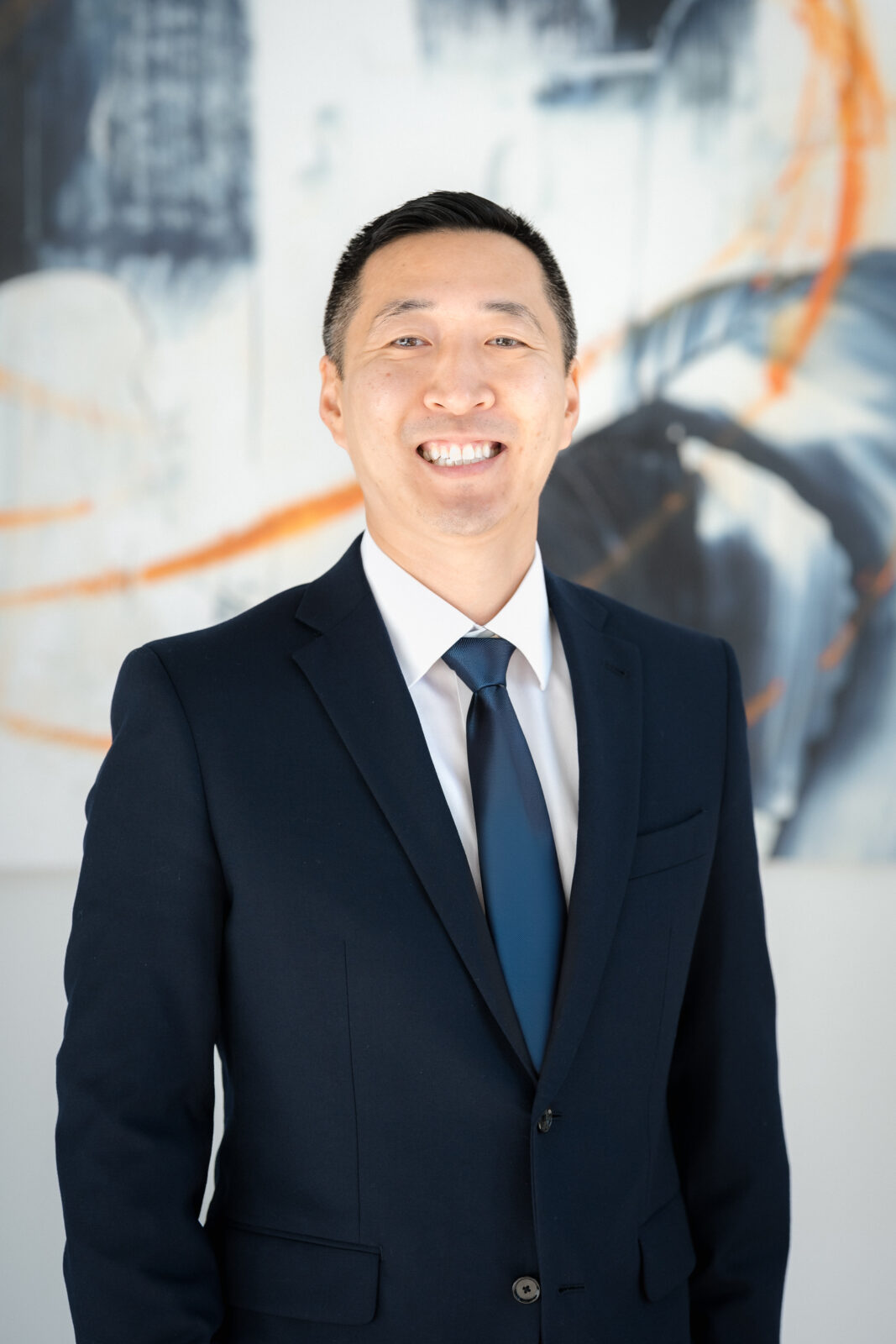
Dr. Joseph Pyun is a board-certified, fellowship-trained orthopedic spine surgeon specializing in cervical radiculopathy and other conditions involving nerve compression in the neck. He works closely with each patient to explain their diagnosis, review treatment options, and develop a plan tailored to their lifestyle and overall health.
Book An Appointment Today
If neck and arm symptoms are affecting your comfort, strength, or daily routine, cervical radiculopathy could be an underlying cause. Schedule a consultation with Dr. Joseph Pyun at Modern Orthopaedics of New Jersey to receive an accurate diagnosis and an individualized treatment plan.
Frequently Asked Questions About Cervical Radiculopathy
Can cervical radiculopathy heal on its own?
Yes, most cases of cervical radiculopathy improve with time, activity modification, physical therapy, medications, or other conservative treatments. Symptoms that persist, worsen, or cause weakness or loss of arm and hand function should be evaluated by a spine specialist.
What does cervical radiculopathy feel like?
Cervical radiculopathy may cause sharp, burning, shooting, or electric-like pain that travels from the neck into the shoulder or arm. Patients may also experience tingling, numbness, weakness, or grip changes in the arm, hand, or fingers.
How long does cervical radiculopathy last?
Recovery depends on the cause and severity of nerve irritation and the treatment required. Some patients improve over several weeks with non-surgical care, while severe or long-standing cases may take longer.
What activities should you avoid with cervical radiculopathy?
You may need to temporarily limit activities that clearly worsen symptoms, such as heavy lifting, repeated overhead work, high-impact exercise, looking down for long periods, or maintaining unsupported neck positions. Dr. Pyun can provide more specific guidance after evaluating the cause of your symptoms.


A Different Orthopedic Experience.
We combine cutting-edge technology with personalized care to deliver exceptional orthopedic treatment. Our team of experts focuses on your unique needs to ensure optimal outcomes and a superior healing experience.
Our Approach to Care
Comprehensive solutions for your orthopedic needs
Treatment Diversity
We offer a comprehensive range of treatments, ensuring personalized, targeted plans for every patient.
Technological Excellence
We utilize cutting-edge technology for precise diagnosis and innovative treatment options.
Collaborative Care
Our multi-disciplinary approach involves various specialties to provide comprehensive care and recovery.
Skilled Experts
Our team is composed of highly skilled, experienced orthopedic professionals, providing expert care.
Patient Focus
We prioritize patient comfort and satisfaction, creating a supportive environment for optimal healing.
Post-Treatment Support
Our robust post-treatment support ensures ongoing patient care through recovery and rehabilitation services.

About Us
Modern Orthopaedics specializes in conditions and treatments of the shoulder, elbow, hand/wrist, hip, knee and foot/ankle with locations in Wayne, Parsippany, and Paramus, NJ.
Offices
Navigation
Contact Us
About Us
Modern Orthopaedics specializes in conditions and treatments of the shoulder, elbow, hand/wrist, hip, knee and foot/ankle with locations in Wayne, Parsippany, and Paramus, NJ.
Offices
Navigation
Contact Us
About Us
Modern Orthopaedics specializes in conditions and treatments of the shoulder, elbow, hand/wrist, hip, knee and foot/ankle with locations in Wayne, Parsippany, and Paramus, NJ.
Offices
Navigation
Contact Us