Lumbar Disc Herniation Treatment In Wayne, Parsippany, And Paramus, NJ
In Wayne, Parsippany, And Paramus, NJ
The Spine Center at Modern Orthopedics of New Jersey
Paramus
72 Route 17 North
Paramus, NJ 07652
Wayne
2025 Hamburg Turnpike
STE C, Wayne, NJ 07470
Parsippany
3799 US-46
#207, Parsippany, NJ 07054
A lumbar disc herniation can make simple movements like sitting, standing, walking, or bending feel painful and unpredictable. If lower back pain, buttock pain, leg symptoms, or difficulty moving comfortably are disrupting your daily routine, a bulging disc or disc herniation may be an underlying cause.
At Modern Orthopaedics of New Jersey, Dr. Joseph Pyun provides comprehensive care for patients experiencing lower back pain and other symptoms related to lumbar disc herniation. Schedule your consultation at our Wayne, Parsippany, or Paramus location to receive a clear diagnosis and a treatment plan tailored to your symptoms and lifestyle.
What Is A Lumbar Disc Herniation?
The lumbar spine (lower back) includes five vertebrae, labeled L1 through L5, that support much of the body’s weight and help the lower back bend, rotate, and absorb force during movement. Between the vertebrae are round, cushion-like structures known as intervertebral discs, or simply discs. These discs absorb shock and help the lower back to move flexibly.
Each intervertebral disc has a tough outer layer, or annulus fibrosus, and a soft, gel-like center, or nucleus pulposus. A bulging disc occurs when a disc extends beyond its normal boundaries, but the annulus fibrosus remains intact. When an intervertebral disc becomes damaged in such a way that the nucleus pulposus is significantly displaced, or even ruptures through the annulus fibrosus, this is known as disc herniation. In the lower back, this condition is referred to as a lumbar disc herniation.
Both bulging and herniated discs can irritate nearby nerves or place pressure on a nerve root as it exits the lumbar spine. Because the nerves in the lower back travel into the lower body, a lumbar disc herniation may cause symptoms beyond the back. Depending on which nerve is affected, discomfort, nerve irritation, or changes in strength or sensation may extend into the buttocks, hips, legs, feet, or toes.
Lumbar disc herniations may develop gradually as discs lose hydration and flexibility over time, or they may occur after sudden stress to the lower back. Some cause only mild symptoms, while others can significantly affect comfort, mobility, sitting tolerance, and daily function.
Symptoms Of Lumbar Disc Herniation
The signs and symptoms of a lumbar disc herniation can vary depending on where the herniation occurs, which nerve is affected, and how much irritation or compression is present. In many cases, symptoms may worsen with activities that place added strain on the lower back, such as lifting, bending forward, sitting for long periods, twisting, or moving suddenly.
At Modern Orthopaedics of New Jersey, Dr. Pyun frequently evaluates patients who present with the following symptoms:
- Lower Back Pain – Pain may be concentrated in the lower back or worsen with bending, lifting, twisting, prolonged sitting, or certain movements.
- Buttock or Leg Pain – Irritated lumbar nerves can cause pain that travels along the sciatic nerve pathway into the buttock, thigh, calf, or even the foot. These radiating symptoms are often referred to as sciatica.
- Tingling, Numbness, or Weakness – Some patients may experience nerve-related symptoms such as tingling, numbness, muscle weakness, or other changes in sensation along the affected nerve pathway.
- Reduced Mobility – Pain and nerve irritation may make it harder to sit, stand, walk, bend, or move comfortably throughout daily activities.
- Muscle Spasms – The muscles around the lower back, hips, or legs may tighten in response to pain or nerve irritation.
Most lower back pain does not require emergency care, but certain symptoms may indicate more serious nerve compression.
Seek immediate medical attention if you experience:
- Rapidly worsening leg weakness
- Difficulty walking or major balance changes
- New numbness in the groin or saddle area
- Sudden loss of bladder or bowel control
Common Causes Of Lumbar Disc Herniation
Lumbar disc herniation can occur for a variety of reasons, including:
- Age-Related Disc Degeneration – Over time, spinal discs naturally lose hydration and elasticity. As the disc becomes less flexible, the outer layer may become more vulnerable to tearing or displacement.
- Repetitive Movements – Frequent bending, lifting, twisting, or other physically demanding activities can place cumulative stress on the lumbar discs.
- Traumatic Injury – A fall, sports injury, lifting injury, or abrupt twisting movement may cause a weakened disc to herniate or worsen an existing disc problem.
-
Certain factors may increase the likelihood of developing a lumbar disc herniation. These include:
- Physically Demanding Work – Jobs that involve repeated lifting, carrying, pushing, pulling, or awkward positioning may increase stress on the lower back.
- Sedentary Lifestyle – Weak core and spinal support muscles may place more pressure on the lumbar spine during movement and activity.
- Genetics – Some patients may be more likely to develop disc problems due to inherited characteristics affecting disc health.
- Excess Weight – Additional body weight can increase stress on the lower spine.
- Smoking – Tobacco use may affect blood flow and oxygen delivery to spinal tissues, which can contribute to disc degeneration over time.
How Dr. Pyun Treats Lumbar Disc Herniation
Dr. Pyun takes an individualized approach to lumbar herniated disc treatment that accounts for the location of the herniation, the severity of symptoms, and whether nerve compression is present. Every plan is tailored to the lifestyle, work demands, and activity goals of the patient.
Many lumbar disc herniations can be managed without surgery, particularly when symptoms are mild to moderate, and there is no progressive weakness or serious nerve compression. At Modern Orthopaedics of New Jersey, conservative treatment options are prioritized whenever possible and may include:
- Activity modification
- Physical therapy
- Medications
- Pain management consultation for targeted injections
When symptoms are severe, worsening, or persistent despite conservative care, surgical herniated disc treatment options may be considered for lumbar disc herniation. Every case is unique, and Dr. Pyun will determine the most suitable surgical approach based on the location of the herniation, the severity of nerve compression, the patient’s individual anatomy, and long-term mobility goals.
Herniated disc surgery may involve removing the herniated portion of the disc to relieve pressure on the affected nerve. In some cases, additional procedures may be considered if instability, narrowing of the spinal canal, or another structural concern is contributing to symptoms.
Why Choose Modern Orthopaedics Of New Jersey?
Modern Orthopaedics of New Jersey provides advanced orthopedic care in a state-of-the-art clinical environment. For patients with lumbar disc herniation, this means access to a spine specialist who understands how lower back and leg symptoms can affect work, sleep, mobility, and daily life.
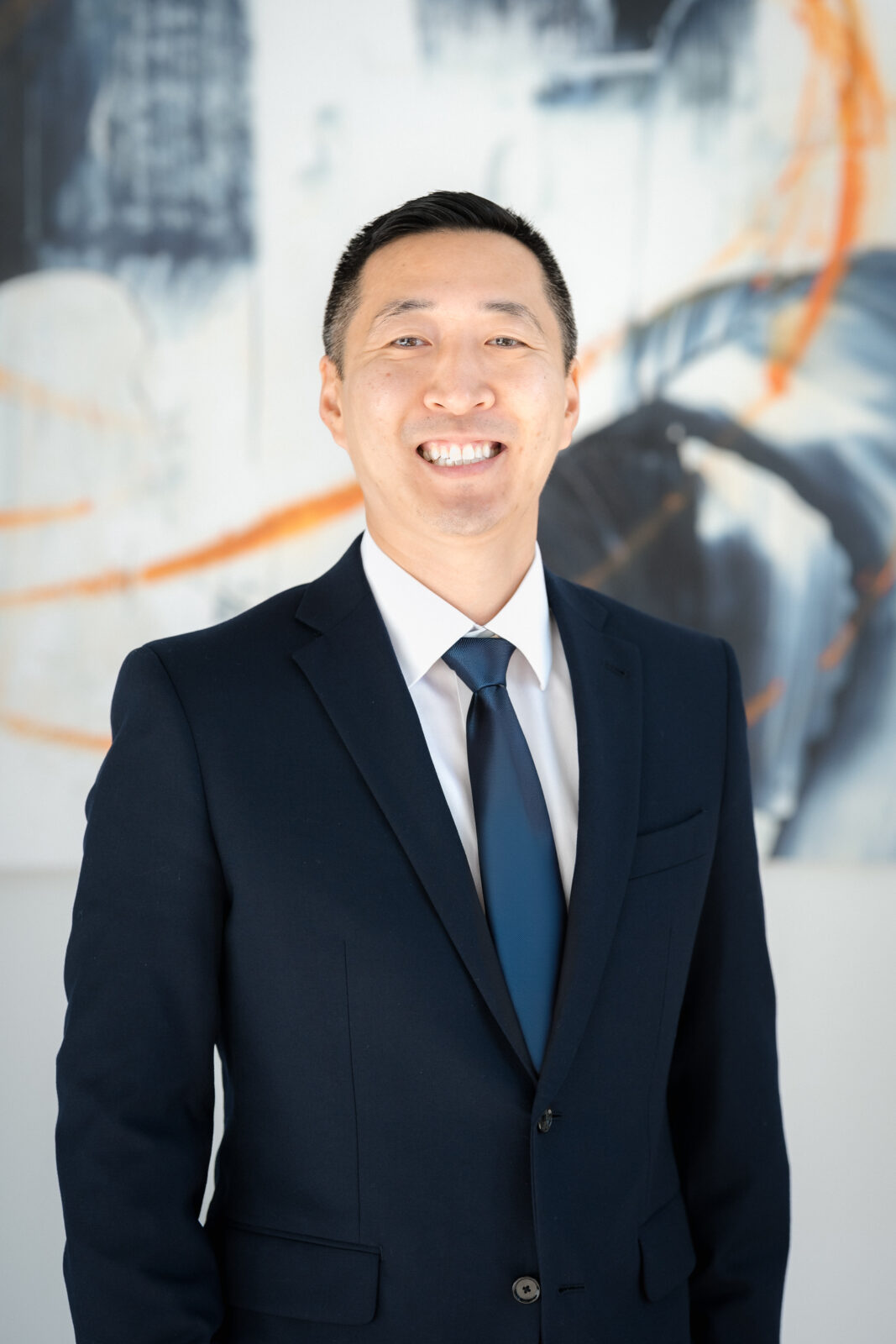
Dr. Joseph Pyun is a fellowship-trained orthopedic spine surgeon specializing in minimally invasive spine care. His approach emphasizes careful diagnosis, clear communication, and treatment planning built around each patient’s symptoms, lifestyle, and activity goals.
Serving Wayne, Parsippany, And Paramus
Modern Orthopaedics of New Jersey provides lumbar disc herniation treatment for patients throughout northern New Jersey, with convenient locations in Wayne, Parsippany, and Paramus.
Whether symptoms are new, worsening, or have been limiting your daily routine for months, our team can help you take the next step toward a clearer diagnosis and personalized treatment plan.
Book An Appointment Today
If lower back or leg symptoms are interfering with your daily life, it may be time to speak with a spine specialist.
Schedule your consultation with Dr. Joseph Pyun at Modern Orthopaedics of New Jersey today to learn more about your options for lumbar disc herniation treatment.
FAQ
What is the best treatment for lumbar disc herniation?
The best treatment for lumbar disc herniation depends on the location of the herniation, the severity of symptoms, whether nerve compression is present, and the patient’s lifestyle and activity goals. Many patients improve with conservative care such as activity modification, physical therapy, medications, or injections. Minimally invasive spine surgery may be considered when symptoms are severe, worsening, or persistent despite non-surgical treatment.
How long does a small herniated disc take to heal?
A small herniated disc may improve over several weeks or months, but the timeline varies from patient to patient. Some people respond quickly to conservative care, while others have symptoms that persist longer. If lower back symptoms travel into the leg or begin affecting strength, sensation, or walking tolerance, evaluation with a spine specialist is recommended.
Is my life over with a herniated disc?
No. A herniated disc can be painful and disruptive, but many patients recover with the right diagnosis and treatment plan. Most lumbar disc herniations improve without surgery, but some may require more advanced care. Dr. Pyun can help you understand what is causing your symptoms and which treatment options will support the quickest and safest return to daily life.

A Different Orthopedic Experience.
We combine cutting-edge technology with personalized care to deliver exceptional orthopedic treatment. Our team of experts focuses on your unique needs to ensure optimal outcomes and a superior healing experience.
Our Approach to Care
Comprehensive solutions for your orthopedic needs
Treatment Diversity
We offer a comprehensive range of treatments, ensuring personalized, targeted plans for every patient.
Technological Excellence
We utilize cutting-edge technology for precise diagnosis and innovative treatment options.
Collaborative Care
Our multi-disciplinary approach involves various specialties to provide comprehensive care and recovery.
Skilled Experts
Our team is composed of highly skilled, experienced orthopedic professionals, providing expert care.
Patient Focus
We prioritize patient comfort and satisfaction, creating a supportive environment for optimal healing.
Post-Treatment Support
Our robust post-treatment support ensures ongoing patient care through recovery and rehabilitation services.
About Us
Modern Orthopaedics specializes in conditions and treatments of the shoulder, elbow, hand/wrist, hip, knee and foot/ankle with locations in Wayne, Parsippany, and Paramus, NJ.
Offices
Navigation
Contact Us