Spinal Fusion Surgery In New Jersey
The Spine Center
at Modern Orthopedics of New Jersey
Paramus
72 Route 17 North
Paramus, NJ 07652
Wayne
2025 Hamburg Turnpike
STE C, Wayne, NJ 07470
Parsippany
3799 US-46
#207, Parsippany, NJ 07054
Chronic neck or back pain can significantly limit daily tasks and impact overall quality of life. If discomfort caused by spinal instability, severe degeneration, or nerve compression is keeping you from living life to the fullest, spinal fusion surgery could offer an effective path forward.
At Modern Orthopaedics of New Jersey, our orthopedic spine specialist takes a personalized approach to spine care, carefully evaluating each patient to determine the most appropriate treatment options based on their symptoms, mobility goals, and unique anatomy. To learn whether you may be a candidate for spinal fusion surgery, schedule a consultation at one of our clinics today.
What Is Spinal Fusion?
Spinal fusion surgery is a procedure designed to permanently join two or more vertebrae in the spine. By eliminating motion between the affected vertebrae, this surgery can improve spinal stability, relieve nerve compression, and reduce pain and other related symptoms.
The procedure is most often performed in the cervical (neck) or lumbar (lower back) regions of the spine and involves the placement of a bone graft – an implant that provides a framework for bone to grow around – between the targeted vertebrae. In many cases, surgical hardware such as rods, screws, or plates is also used to maintain proper alignment while the vertebrae gradually fuse together over time.
Spinal fusion is rarely a first-line treatment and is typically considered only when symptoms are severe, persistent, and haven’t responded to conservative care. Every fusion procedure performed at Modern Orthopaedics of New Jersey is carefully tailored to the needs and goals of the patient, ensuring the safest and most effective outcomes possible.
Types Of Spinal Fusions
Spinal degeneration, instability, and nerve compression are most common in the cervical spine (the neck) and the lumbar spine (the lower back), making these the primary regions where spinal fusion surgery is performed. Fusion surgery in the thoracic spine (mid/upper back) is rare due to the natural stability of the region, but may be indicated when specific types of structural deformities or traumatic injuries are present.
Cervical Spinal Fusion
Cervical spinal fusion surgery is performed to treat degeneration, instability, and/or nerve compression in the neck. The cervical spine consists of seven vertebrae (C1-C7), but cervical fusion surgery most commonly involves the C3-C7 vertebrae – the levels most prone to degenerative changes and disc-related problems.
The procedure involves the placement of a bone graft between the affected vertebrae, accompanied by surgical hardware to improve stability and support proper alignment. Conditions commonly treated with cervical spinal fusion surgery include degenerative disc disease, cervical spinal fractures, and cervical spinal stenosis.
Symptoms that may indicate the need for cervical fusion surgery include:
- Persistent neck pain, stiffness, or discomfort that doesn’t improve with conservative care
- Radiating pain, tingling, numbness, or weakness that affects the shoulders, arms, or hands
Lumbar Spinal Fusion
Lumbar spinal fusion surgery is performed to treat degeneration, instability, and/or nerve compression in the lower back. The lumbar spine consists of five vertebrae (L1-L5), but lumbar fusion surgery most commonly involves the L3-L5 vertebrae, which are the levels most susceptible to degenerative changes, vertebral slippage, and disc-related problems.
Like cervical spinal fusion surgery, the procedure involves the placement of a bone graft between the affected vertebrae, accompanied by surgical hardware such as screws and rods to improve stability and maintain proper alignment. Conditions commonly treated with lumbar spinal fusion surgery include degenerative disc disease, lumbar spinal stenosis, and spondylolisthesis.
Symptoms that may indicate the need for lumbar fusion surgery include:
- Persistent lower back pain that doesn’t improve with conservative care
- Radiating pain, tingling, numbness, or weakness that affects the buttocks, thighs, legs, or feet
- Difficulty standing, walking, or performing daily tasks due to back or leg discomfort
Conditions Treated Via Spinal Fusion
A wide variety of spine issues can be treated with spinal fusion surgery. At Modern Orthopaedics of New Jersey, four of the most common conditions we address with the procedure include:
Degenerative Disc Disease (DDD)
Degenerative disc disease (DDD) is an age-related condition characterized by the gradual breakdown of intervertebral discs over time. Spinal fusion can help stabilize the affected vertebrae, reduce nerve compression, and relieve persistent pain or neurologic symptoms.
Spinal Stenosis
Spinal stenosis refers to the narrowing of the spinal canal, which can cause spinal cord and/or nerve root compression. When spinal instability is also present, fusion surgery can provide relief by stabilizing the spine and relieving nerve-related symptoms.
Spondylolisthesis
Spondylolisthesis occurs when a vertebra slips out of alignment with the one below it, potentially leading to instability and nerve compression. Spinal fusion surgery can help restore proper alignment, relieve pressure on nerves, and improve pain and mobility.
How The Procedure Works
The decision to undergo spinal fusion surgery is a major one, and understanding what to expect is key. Leading up to surgery day, Dr. Pyun will work closely with you to ensure all of your questions are answered and any concerns are thoroughly addressed.
Diagnosis and consultation for spinal fusion surgery take place at our Paramus, Wayne, or Parsippany clinic, but the procedure is performed at one of our affiliated hospitals or surgical centers. A general overview is provided below:
- Spinal fusion surgery is performed under general anesthesia and typically takes between 2 and 4 hours, depending on the number of vertebrae being fused and the specifics of the case.
- The patient may be positioned on their back, front, or side to allow for optimal access to the affected area of the spine. A precise incision is made to safely reach the vertebrae while minimizing disruption to the surrounding spinal tissues and structures.
- Damaged spinal discs, bone fragments, or other tissues are carefully removed, and the vertebrae are prepared for fusion.
- A bone graft is placed between the vertebrae, and screws and rods, or a plate and screws are used to improve stability and maintain the proper alignment of the spine.
- The incision is carefully closed, and the patient is brought out of anesthesia.
How To Prepare
Preparing for spinal fusion surgery begins with a consultation at our Paramus, Wayne, or Parsippany clinic. Dr. Pyun will perform an in-depth physical examination, carefully review your medical history, discuss your symptoms and treatment goals, and order any necessary imaging tests.
In the weeks leading up to surgery, you’ll be provided with specific pre-operative instructions that may include:
- The completion of specific lab work
- Adjustments to current medications
- Dietary restrictions
- The arrangement of transportation and reliable at-home care following surgery
Proper preparation for spinal fusion surgery helps to ensure a safe procedure and a smoother recovery process.
Recovery
Recovery following a spinal fusion procedure can vary based on a variety of factors, including the location of the surgery, the number of vertebrae being fused, the age and overall health of the patient, and how consistently they follow post-surgical guidelines. A general overview is provided below:
- Most patients are able to begin walking with assistance on the day of or the day following fusion surgery.
- Short-term recovery usually takes between 2 and 6 weeks and involves gradual increases in activity supported by physical therapy.
- Long-term recovery takes between 3 and 6 months. This is when most patients are able to return to normal daily activities.
- Full return to high-impact activities typically takes 6 to 12 months or more.
Potential Complications
Spinal fusion surgery is generally considered a safe and effective procedure for appropriately selected patients, but as with any surgery, potential risks and complications can occur. These may include:
- Bleeding
- Infection
- Nerve irritation or injury
- Implant-related issues
- Incomplete symptom relief
Dr. Pyun will thoroughly review the potential risks and complications of spinal fusion surgery at your consultation appointment and take every precaution to minimize them through the use of advanced surgical techniques and protocols.
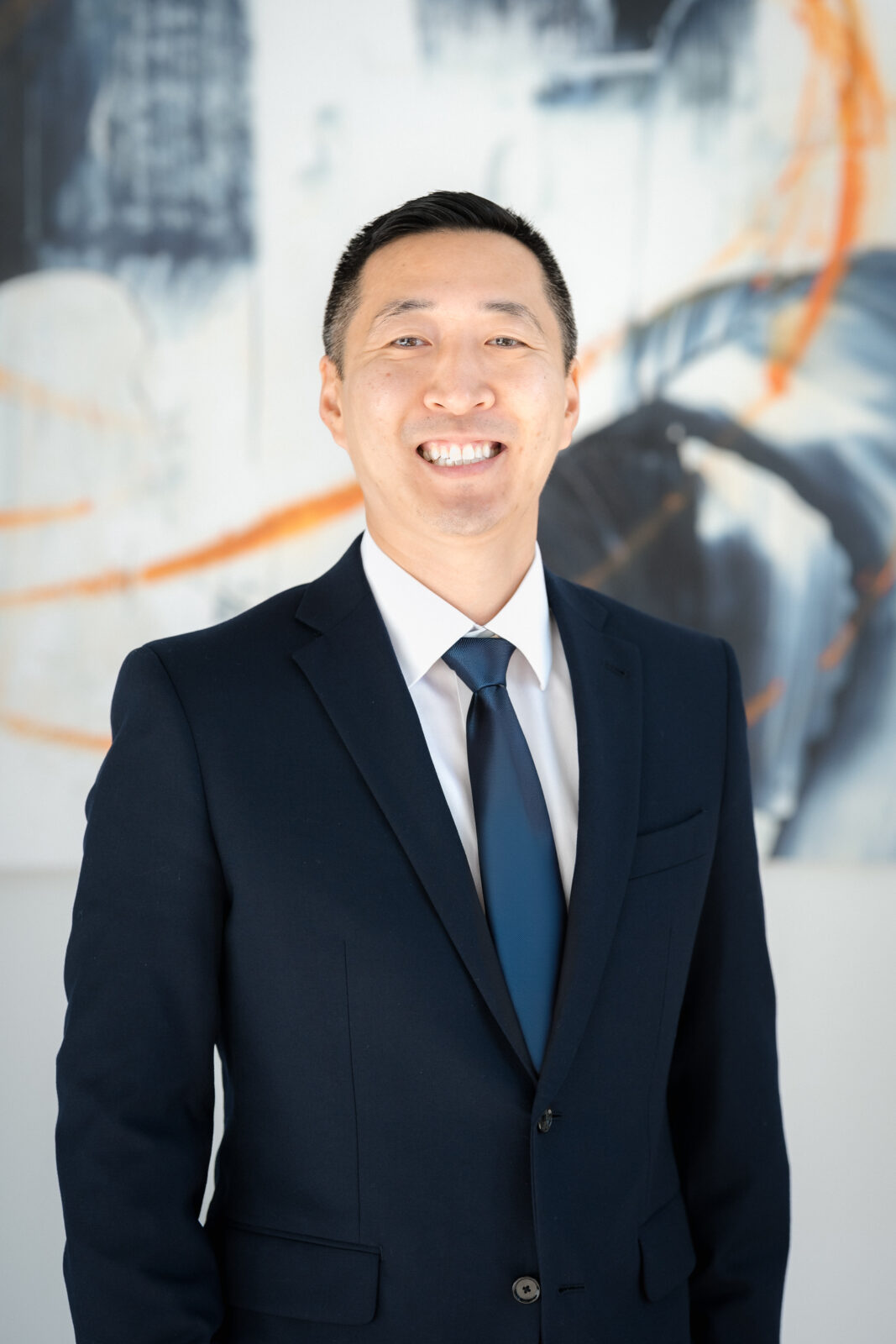
About Dr. Joseph Pyun
Dr. Joseph Pyun is a board-certified, fellowship-trained spine surgeon, specializing in minimally invasive spine care. Spondylosis treatment is one of his areas of expertise and he uses advanced technology and surgical techniques to tailor treatment to the unique needs of each patient. Dr. Pyun is committed to a human-focused approach that prioritizes relationship building and positions patients as active partners at every stage of their treatment and recovery journey.
Why Choose Modern Orthopaedics Of New Jersey
Modern Orthopaedics is a world-class orthopedics clinic known for its award-winning doctors, cutting-edge technology, patient-centered care, and state-of-the-art clinical environment. Contact us directly to learn more about our innovative approach to spondylosis care and take your first step toward active, pain-free living.
Book An Appointment Today
Early spondylosis diagnosis and intervention can help prevent further degeneration of the spine and improve quality of life. Schedule your consultation today with Dr. Joseph Pyun at Modern Orthopaedics of New Jersey!


A Different Orthopedic Experience.
We combine cutting-edge technology with personalized care to deliver exceptional orthopedic treatment. Our team of experts focuses on your unique needs to ensure optimal outcomes and a superior healing experience.
Our Approach to Care
Comprehensive solutions for your orthopedic needs
Treatment Diversity
We offer a comprehensive range of treatments, ensuring personalized, targeted plans for every patient.
Technological Excellence
We utilize cutting-edge technology for precise diagnosis and innovative treatment options.
Collaborative Care
Our multi-disciplinary approach involves various specialties to provide comprehensive care and recovery.
Skilled Experts
Our team is composed of highly skilled, experienced orthopedic professionals, providing expert care.
Patient Focus
We prioritize patient comfort and satisfaction, creating a supportive environment for optimal healing.
Post-Treatment Support
Our robust post-treatment support ensures ongoing patient care through recovery and rehabilitation services.