Spondylolisthesis Treatment in New Jersey
The Spine Center
at Modern Orthopedics of New Jersey
Paramus
72 Route 17 North
Paramus, NJ 07652
Wayne
2025 Hamburg Turnpike
STE C, Wayne, NJ 07470
Parsippany
3799 US-46
#207, Parsippany, NJ 07054
Spondylolisthesis is a condition that occurs when one vertebra slips out of alignment, potentially leading to spinal instability and nerve compression. If persistent back or neck pain, leg discomfort, or difficulty standing or walking is affecting your quality of life, spondylolisthesis could be an underlying cause.
At Modern Orthopaedics of New Jersey, our fellowship-trained spine surgeon specializes in diagnosing and treating spondylolisthesis. Schedule an initial consultation to receive an individualized treatment plan and learn more about our patient-focused approach, advanced technology, and minimally invasive surgical techniques.
What Is Spondylolisthesis?
Spondylolisthesis is a spinal condition characterized by the slippage of a vertebra out of alignment with the rest of the spinal column. Forward slippage, where a vertebra slips forward over the one below it, is most common, but backward, or very rarely, sideways slippage can also occur. This type of displacement most often takes place in the lumbar spine (lower back) and less frequently in the cervical spine (neck). Cases in the thoracic spine (upper back) are rare and are usually associated with trauma, congenital defects, or severe pathology.
When a vertebra slips out of alignment, surrounding structures such as intervertebral discs, facet joints, and nerve roots can become irritated or compressed. This may result in localized or radiating pain as well as neurologic symptoms, including tingling, numbness, or weakness in the extremities.
The severity of spondylolisthesis is classified according to the percentage of vertebral slippage, with Grade 1 being mild and Grade 4 being severe. Lower-grade cases may be asymptomatic or cause mild, intermittent symptoms, while higher-grade cases can lead to significant spinal instability and nerve compression.
What Causes Spondylolisthesis?
Spondylolisthesis can occur for a variety of different reasons, and identifying the underlying cause is an essential step in developing an effective treatment plan. Common causes of spondylolisthesis include:
- Degenerative Changes – Degenerative spondylolisthesis is most common in adults over the age of 50 and develops as a result of age-related wear and tear that weakens the structures of the spine. As spinal deterioration occurs, one or more vertebrae may gradually shift out of alignment.
- Isthmic Defect – Isthmic spondylolisthesis typically develops due to repetitive activities that cause small stress fractures in the vertebrae. These fractures can allow slippage to occur and may affect younger individuals, including young athletes.
- Congenital Factors – Some individuals are born with structural variations in the spine that make vertebral slippage more likely.
- Traumatic Injury – Sudden accidents, falls, or high-impact injuries can disrupt the normal alignment of the spine and contribute to the development of traumatic spondylolisthesis.
Spondylolisthesis Symptoms
The symptoms of spondylolisthesis can vary significantly depending on the degree of slippage, where the misalignment is located, and whether or not nearby nerves are affected. Some individuals with low-grade spondylolisthesis may experience mild, intermittent symptoms – or even no symptoms at all – while patients with higher-grade slippage may experience persistent functional limitations and discomfort.
Symptoms of lumbar spondylolisthesis include:
- Pain in the lower back that worsens with standing, walking, or physical activity
- Stiffness in the lower back
- Tightness in the hamstrings
- Radiating pain in the buttocks or legs
- Tingling, numbness, or weakness in the legs or feet
- Difficulty walking or maintaining balance (typical of more severe cases)
- Loss of bowel or bladder control (While rare, sudden loss of bladder or bowel control can indicate cauda equina syndrome and should be treated as a medical emergency. Seek care immediately!)
Symptoms of cervical spondylolisthesis include:
- Neck pain or stiffness
- Radiating pain, tingling, numbness, or weakness in the shoulders, arms, or hands
- Headaches
Common Risk Factors
Several factors may increase the likelihood of developing spondylolisthesis. These include:
- Age – Degenerative changes of the spine increase with age and are a leading cause of spondylolisthesis in older adults.
- Repetitive Stress – Activities that involve frequent bending, lifting, or extension of the lower back can place additional strain on the spine and lead to the forward slippage of one or more vertebrae.
- Genetics – Genetic spinal abnormalities may increase the risk of a slipped vertebra.
- Previous Spinal Injury – Trauma, stress fractures, or other spinal injuries can decrease the overall stability of the spine, making slippage more of a concern.
- Obesity – Excess weight increases stress and pressure on the lumbar spine, which can accelerate degeneration and lead to the development of spondylolisthesis.
Treatment Options
Mild to moderate cases of spondylolisthesis often respond well to conservative care, but surgical intervention may be considered when symptoms are ongoing, severe, and affecting daily life. At Modern Orthopaedics of New Jersey, our board-certified orthopedic spine surgeon works closely with patients to create tailored treatment plans that prioritize non-invasive and minimally invasive approaches whenever possible.
Non-Surgical Treatment Options
Non-surgical treatment options for spondylolisthesis include:
- Activity and lifestyle modifications
- Physical therapy
- Medications
- Pain management – Injections
Surgical Treatment Options
Surgical treatment options for spondylolisthesis include:
- Cervical Fusion
- Lumbar Fusion
- Lumbar Microdiscectomy
- Lumbar Laminotomy
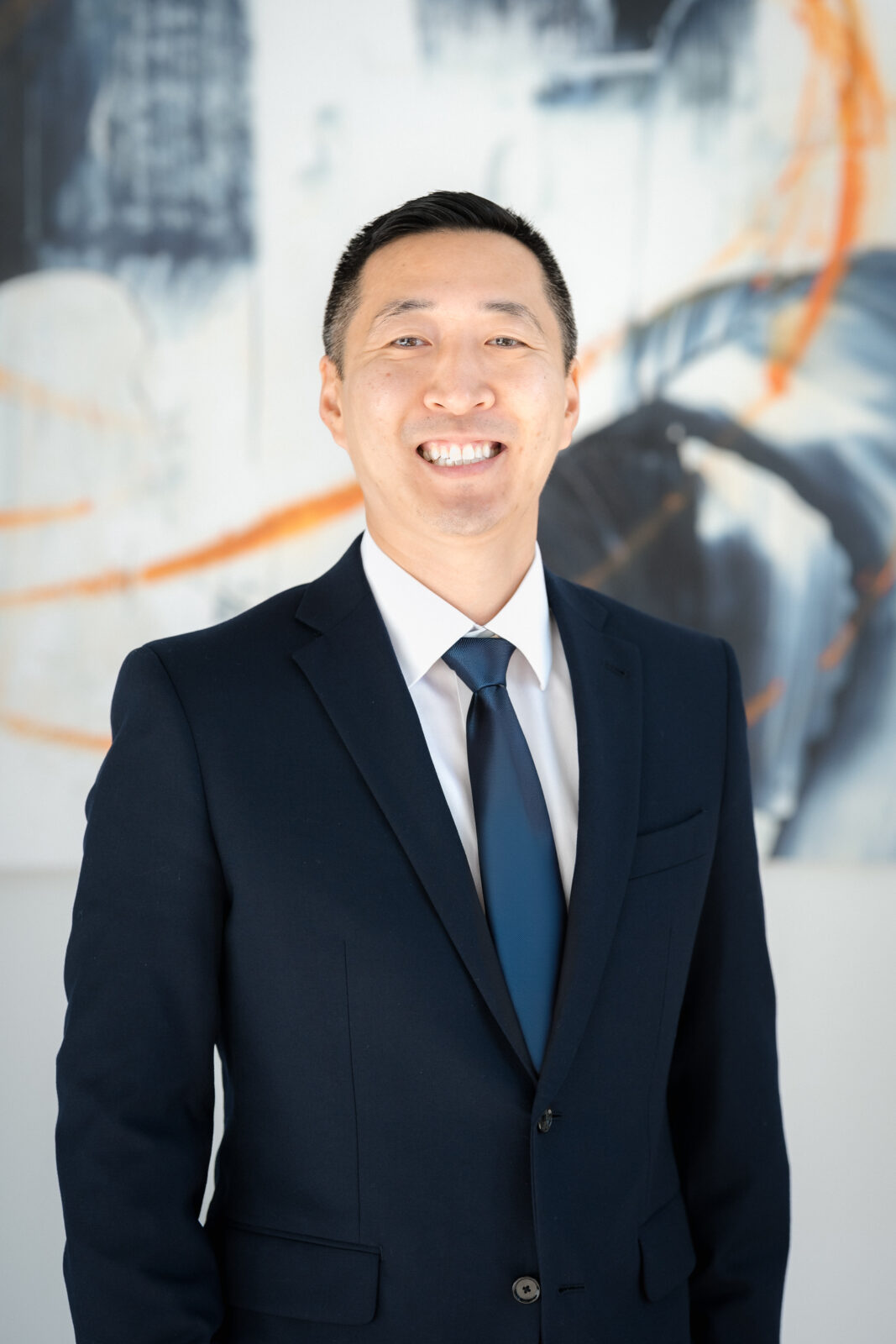
About Dr. Joseph Pyun
Dr. Joseph Pyun is a board-certified, fellowship-trained orthopedic spine surgeon specializing in minimally invasive spine care. He has extensive experience diagnosing and treating complex spinal conditions, including spondylolisthesis, and uses advanced technology and techniques to develop individualized treatment plans tailored to the needs and goals of each patient.
Dr. Pyun is committed to a patient-centered approach that emphasizes education, collaboration, and shared decision-making at every stage of treatment.
Why Choose Modern Orthopaedics Of New Jersey
Modern Orthopaedics of New Jersey is a leading orthopedic clinic known for its award-winning doctors, state-of-the-art technology, and patient-focused care. Our fellowship-trained spine specialist uses minimally invasive surgical techniques and evidence-based protocols to provide safe, effective treatments that put our patients on the fastest road to an active, pain-free lifestyle.
Book An Appointment Today
Early evaluation and treatment of spondylolisthesis can help prevent further slippage and reduce the risk of long-term complications. Contact our Paramus, Wayne, or Parsippany location today to schedule an appointment and take the first step toward improved comfort and mobility!

A Different Orthopedic Experience.
We combine cutting-edge technology with personalized care to deliver exceptional orthopedic treatment. Our team of experts focuses on your unique needs to ensure optimal outcomes and a superior healing experience.
Our Approach to Care
Comprehensive solutions for your orthopedic needs
Treatment Diversity
We offer a comprehensive range of treatments, ensuring personalized, targeted plans for every patient.
Technological Excellence
We utilize cutting-edge technology for precise diagnosis and innovative treatment options.
Collaborative Care
Our multi-disciplinary approach involves various specialties to provide comprehensive care and recovery.
Skilled Experts
Our team is composed of highly skilled, experienced orthopedic professionals, providing expert care.
Patient Focus
We prioritize patient comfort and satisfaction, creating a supportive environment for optimal healing.
Post-Treatment Support
Our robust post-treatment support ensures ongoing patient care through recovery and rehabilitation services.