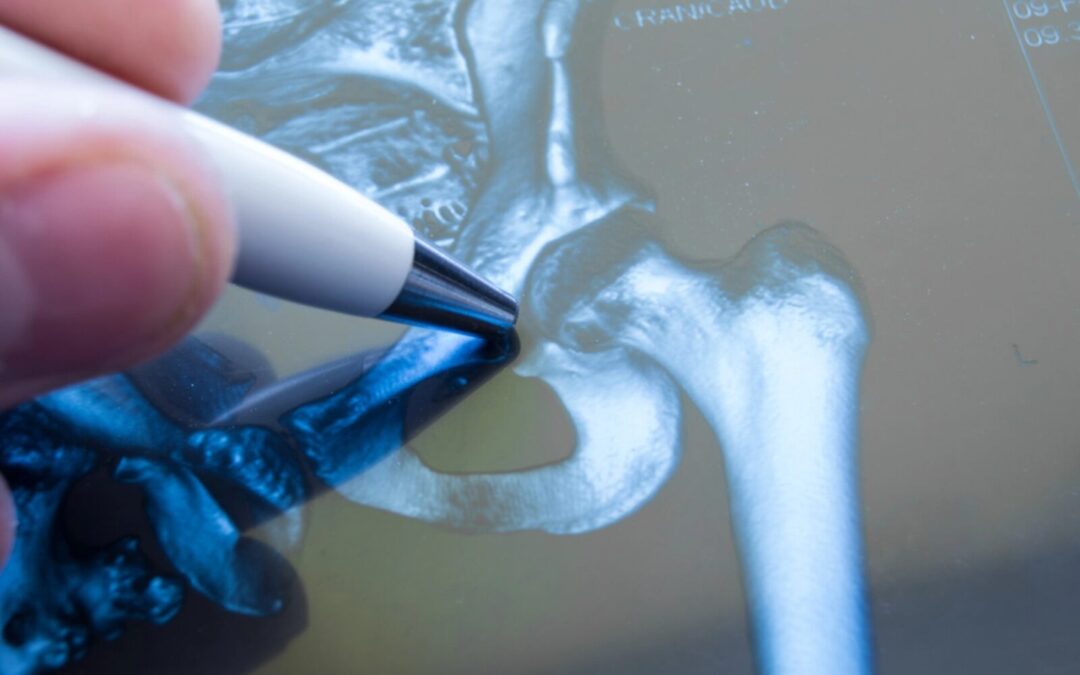
In 2010, 310,800 inpatients in the USA underwent total hip replacement surgery. By 2040, that statistic is projected to rise to an estimate of as many as 1.6 million. Rapid advances in joint replacement technology have made hip replacements safer, quicker, and more effective than ever before – but choosing to undergo this type of procedure understandably remains a major life decision.
At Modern Orthopaedics of New Jersey, our specialists are often asked what alternatives to hip replacement surgery exist. Ultimately, the right hip treatment for you depends on a variety of factors, including: The underlying cause of your hip pain; the severity of your symptoms; your age and overall health; and your activity level and mobility goals. In this post, we’ve provided an overview of some common (and less common) hip treatment options that may delay – or even eliminate altogether – the need for hip replacement surgery for certain patients.
To learn more and explore personalized hip treatment options tailored to your needs and mobility goals, schedule an initial consultation with our award-winning team at Modern Orthopaedics of New Jersey today!
Key Takeaways
- The right hip treatment for you depends on:
- The underlying cause of your hip pain
- The severity of your symptoms
- Your age and overall health
- Your activity level and mobility goals
- Non-surgical alternatives to hip replacements include lifestyle modifications, physical therapy, medications, and injections.
- Surgery may be recommended when symptoms are severe and persistent despite conservative measures.
- Surgical alternatives to total hip replacement include hip arthroscopy, hip resurfacing, partial hip replacement, hip osteotomy, hip fusion, and resection arthroplasty.
Non-Surgical Alternatives
Many types of hip pain can be effectively managed or resolved without the need for surgical intervention. Before considering more invasive approaches, our orthopedic specialists typically recommend trying some or all of the following:
Lifestyle Modifications
Adopting intentional activity and lifestyle changes can often significantly reduce hip pain and discomfort. At Modern Orthopaedics of New Jersey, we frequently work with patients who benefit from:
- Reducing high-impact activities and instead, focusing on joint-friendly alternatives like walking, cycling, and swimming.
- Maintaining a healthy weight to help alleviate stress on the hip joints.
- Using walking aids to relieve pressure on painful hips.
- Wearing supportive shoes and making ergonomic adjustments to support hip health at work and at home.
Your hip doctor can help you evaluate what movements to avoid and which lifestyle modifications may be most beneficial based on your particular symptoms.
Physical Therapy
Physical therapy frequently plays a key role in helping patients reduce pain, improve hip strength and flexibility, and delay or prevent surgery. A physical therapy treatment plan tailored to your needs may involve:
- Therapist-assisted techniques like manual therapy and joint mobilization
- Therapeutic modalities like heat/cold therapy, ultrasound, or TENS
- Targeted exercises to improve strength and flexibility in the muscles that support the hip joint
- Gait and posture training
Medications
For many patients, over-the-counter anti-inflammatory drugs (NSAIDs) like ibuprofen, naproxen, or aspirin and pain relievers like acetaminophen can help minimize hip pain on an as-needed basis. Your doctor may also prescribe specific medications to target joint conditions like arthritis or gout. Always speak to a healthcare professional before taking any medications.
Injections
Steroid injections are a minimally invasive procedure that targets localized hip pain with a combination of anti-inflammatory and anesthetic medication. Symptom relief is usually temporary and needs to be repeated approximately every few months.
When Surgery Is Recommended
Hip surgery is often recommended in cases where:
- Hip pain is severe, persistent, and limits daily activities despite non-surgical treatment.
- The underlying cause of symptoms is structural (e.g., hip dysplasia, joint deformities).
- Arthritis has advanced to the point where there’s bone-on-bone contact in the hip joint.
- A hip fracture has occurred that is unlikely to heal properly without surgical intervention.
- Bone tissue in the hip joint has died due to loss of blood supply (avascular necrosis).
- A previous hip surgery has failed.
Not sure if your hip pain requires surgery? Book an appointment at our state-of-the-art clinic to learn more.
Surgical Alternatives To Total Hip Replacement
Total hip replacement is the most common type of hip surgery for adults with advanced arthritis or severe joint damage. However, other surgical alternatives may also be considered, depending on the specifics of your case:
Hip Arthroscopy
A hip arthroscopy is a minimally invasive hip surgery that uses small cameras and specialized instruments inserted through tiny incisions to access the hip joint. This type of procedure involves quicker surgical and recovery times than traditional open hip surgery and can be used to diagnose and treat problems like soft tissue/cartilage damage, labral tears, and loose bodies.
Ask your hip specialist whether you’re a candidate for a hip arthroscopy or other minimally invasive procedures.
Hip Resurfacing
Hip resurfacing offers an alternative to total hip replacement that involves reshaping the ball of the hip joint (the femoral head) and fitting it with a metal covering rather than removing and replacing it entirely. The procedure is often performed on younger, active patients because it preserves significantly more natural bone and allows for better biomechanics in the hip joint than standard hip replacement surgery.
Partial Hip Replacement
As its name suggests, a partial hip replacement involves replacing only part of the hip – specifically, the ball (femoral head) of the ball-and-socket joint. This surgical procedure is most often used to repair certain types of hip fractures, but is not typically suitable for treating advanced arthritis (which usually affects both the ball and socket).
Hip Osteotomy
A hip osteotomy is a corrective procedure that realigns the ball and socket of the hip joint. Damaged bone and tissue are removed so that optimal weight distribution, balance, and function can be restored. This type of procedure may help to delay or eliminate the need for hip replacement surgery – especially in younger patients.
Hip Fusion
A hip fusion procedure permanently fuses the femur to the pelvis, eliminating all motion in the hip joint. This type of surgery has significantly decreased as total hip replacements have become more common, but may still be recommended in rare cases where other treatment options aren’t suitable.
Resection Arthroplasty
A resection arthroplasty involves the removal of part or all of the hip joint without a hip replacement. This type of procedure is often viewed as a last resort that may effectively reduce pain but also significantly limit joint function and mobility. It can sometimes serve as a temporary step before revision surgery, but it is usually reserved for patients with an uncontrolled infection or a minimal chance of normal walking.
Book An Appointment Today
Schedule an initial consultation at Modern Orthopaedics of New Jersey to learn more about our cutting-edge, robotic-assisted approach to total hip replacement and other hip surgeries. Our world-class orthopedic surgeons in Wayne, NJ, Parsippany, NJ, and Paramus, NJ are ready to partner with you on the road to full mobility and pain-free living!