Spinal decompression surgery is considered a major surgical procedure – but it’s also well-established, extensively researched, and generally very safe when performed by a trained spine specialist. While it’s natural to feel intimidated by the possibility of undergoing surgery on your spine, it’s also essential to recognize that modern technology and advanced, minimally invasive techniques reduce surgical risks and increase success rates for patients experiencing significant spinal compression issues.
At Modern Orthopaedics of New Jersey, our fellowship-trained orthopedic spine surgery team has the extensive training and experience to accurately diagnose the underlying cause of your symptoms, tailor treatment to your needs, and perform cutting-edge decompression surgery, if necessary. Safely relieving pain and discomfort so that you can regain complete mobility and a higher quality of life are our top priorities, and we’re dedicated to ensuring that you’re an active partner at every stage of your treatment and recovery journey.
Seeking an exceptional spine surgeon in NJ? Contact our clinic today to schedule your initial consultation and take the first step toward improved health and a pain-free lifestyle.
Key Takeaways
- It’s natural to feel intimidated by the prospect of major spine surgery – but modern technology and advanced, minimally invasive techniques make spinal decompression procedures safer and more effective than ever before.
- Spinal decompression surgery, which relieves pressure on the spinal cord or nerve roots, is rarely a first-line treatment. It’s typically recommended in cases where symptoms are severe, persistent, and have been unresponsive to more conservative treatment options.
- The potential risks of spinal decompression surgery include infection, bleeding, blood clots, dural tears, nerve injuries, spinal instability, and, in rare cases, serious neurologic injury.
- Spinal decompression surgery can reduce symptoms, restore mobility, and improve overall quality of life. For patients with persistent nerve pain, progressive neurologic deficits, or limited daily function, the benefits often far outweigh the risks.
- Contact our orthopedic clinic in New Jersey to schedule an initial consultation and learn more!
What Is Spinal Compression?
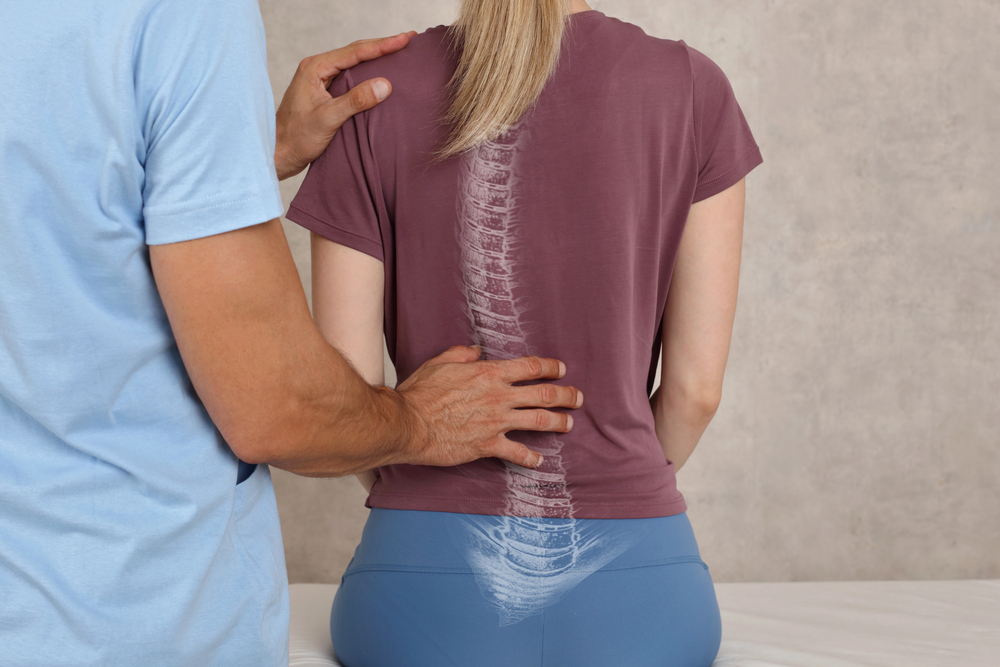
Spinal decompression surgery aims to resolve spinal compression – a medical problem that occurs when abnormal pressure is placed on the spinal cord (which may lead to a condition called myelopathy) or spinal nerve roots (which may cause radiculopathy). Common causes of spinal compression include herniated discs, spinal stenosis, bone spurs, spondylolisthesis, and degenerative disc disease.
The symptoms of spinal compression can vary widely depending on where the compressed nerves are located, the degree and duration of pressure, and whether or not the spinal cord is involved. Milder cases may primarily involve localized pain, while more severe cases are often characterized by symptoms such as radiating pain, progressive weakness, loss of sensation, and neurologic deficits. In extreme cases, spinal compression can lead to the loss of bladder/bowel control and/or sexual dysfunction.
The above symptoms may indicate cauda equina syndrome and should be treated as a medical emergency.
What Is Spinal Decompression Surgery?
The term spinal decompression surgery can refer to a number of different procedures designed to relieve pressure on the spinal cord or nerve roots, alleviate symptoms, and preserve or improve neurologic function. The type of surgery performed depends on where the compressed nerves are located, as well as the underlying cause of the compression.
Spinal decompression surgery can be performed in any of the three regions of the spine:
- Cervical spine decompression relieves pressure on the spinal cord or nerve roots located in the neck.
- Thoracic spine decompression relieves pressure on the spinal cord or nerve roots located in the upper back.
- Lumbar spine decompression relieves pressure on the spinal cord or nerve roots located in the lower back.
Common decompression procedures include:
- Laminectomy – A portion of the lamina (vertebral bone) is removed to create more space in the spinal canal, relieving pressure on the spinal cord or nerve roots.
- Discectomy/Microdiscectomy – Minimally invasive techniques are used to remove the portion of a herniated disc that is pressing on a nearby nerve.
- Foraminotomy – The opening where a spinal nerve exits the spine (the foramina) is widened to relieve pressure caused by narrowing from bone, disc material, or degeneration.
In some cases, a spinal fusion may be performed along with decompression surgery in order to stabilize the spine and reduce the risk of recurrent symptoms or future instability.
Understanding The Seriousness Of Spinal Decompression Surgery
Many modern spinal decompression surgeries are performed using minimally invasive techniques that help decrease surgical and recovery times, reduce the risk of infection, minimize pain and bleeding, and improve success rates overall. Decompression procedures are generally safe when performed by an experienced orthopedic spine surgeon. However, like any major surgery, they can also be associated with certain potential risks and complications.
Understanding The Risks Involved
The following common surgical risks apply to most spine procedures:
- Infection
- Bleeding
- Blood clots
- Adverse reactions to anesthesia
- Postoperative pain
The following risks are more specific to decompression procedures:
- Dural Tear – A small tear in the protective covering of the spinal cord (the dura) can lead to a leak of cerebrospinal fluid.
- Nerve Injury – While rare, decompression surgery can lead to nerve injury that results in symptoms such as persistent weakness, pain, or loss of sensation.
- Spinal Instability – Removing bone or tissue to relieve pressure on the nerves can negatively impact the overall stability of the spine.
- Failure To Relieve Symptoms – In some cases, spinal decompression surgery may not effectively relieve all symptoms.
Rare but serious complications associated with spinal decompression surgery can include:
- Severe neurologic injury
- Chronic pain
- Loss of bladder or bowel control
What Makes Spinal Decompression Surgery A Serious Procedure?
Spinal decompression surgery is often classified as a serious procedure because it’s performed under general anesthesia, involves operating near the spinal cord and nerve roots, and requires weeks to months of recovery. At Modern Orthopaedics of New Jersey, our leading spine specialists ensure that every patient receives the highest possible standard of care before, during, and after spine surgery.
Who Should Consider Spinal Decompression Surgery?
Spinal decompression surgery is not typically a first-line treatment. It’s usually only considered when spinal cord or nerve root compression causes symptoms that are severe, ongoing, and unresponsive to less invasive treatment options like physical therapy or corticosteroid injections.
At Modern Orthopaedics of New Jersey, our spine team may consider decompression surgery as a suitable treatment option for patients who live with:
- Persistent nerve pain
- Spinal stenosis symptoms that limit daily function
- Progressive neurologic deficits
- Myelopathy (spinal cord dysfunction)
Surgery may also be performed in emergency situations that require immediate decompression.
Emergency symptoms that may indicate cauda equina syndrome include loss of bladder/bowel control, saddle anesthesia, or sudden severe weakness in both legs.
What To Expect Before, During, And After The Surgery
If the decision is made to move forward with spinal decompression surgery, your orthopedic spine surgeon will tailor treatment to your needs and ensure you’re fully educated and prepared at every step. A general overview of what to expect is provided below:
Pre-Surgery Consultation & Testing
At this stage, you’ll undergo a number of diagnostic tests such as physical exams, neurological evaluations, and medical imaging. Your surgeon will also provide pre-surgery exercises that will help you to strengthen your body in preparation for the smoothest possible recovery process.
The Surgery Day: What Happens During The Procedure
The specifics of your procedure will depend on the type of spinal decompression surgery you’re having. Speak directly with your surgeon for an in-depth overview of what to expect on surgery day.
Post-Surgery Recovery & Rehabilitation
After surgery, it’s essential to keep your incision site clean, monitor for signs of infection, and closely follow all instructions provided by your spine specialist. Attend all follow-up appointments as scheduled and be consistent with exercises and routines designed to promote blood flow and healing.
Is Spinal Decompression Surgery Worth The Risks?
Is spinal decompression surgery worth the risks? For many patients, the answer is yes. With an experienced team and proper care, a decompression procedure can be a safe and life-changing transformation that leads to significant improvements in comfort, mobility, and quality of life.
Schedule A Consultation Today
The only way to know if spinal decompression surgery offers the right path forward based on your specific needs and situation is to schedule a consultation with the spine team at Modern Orthopaedics