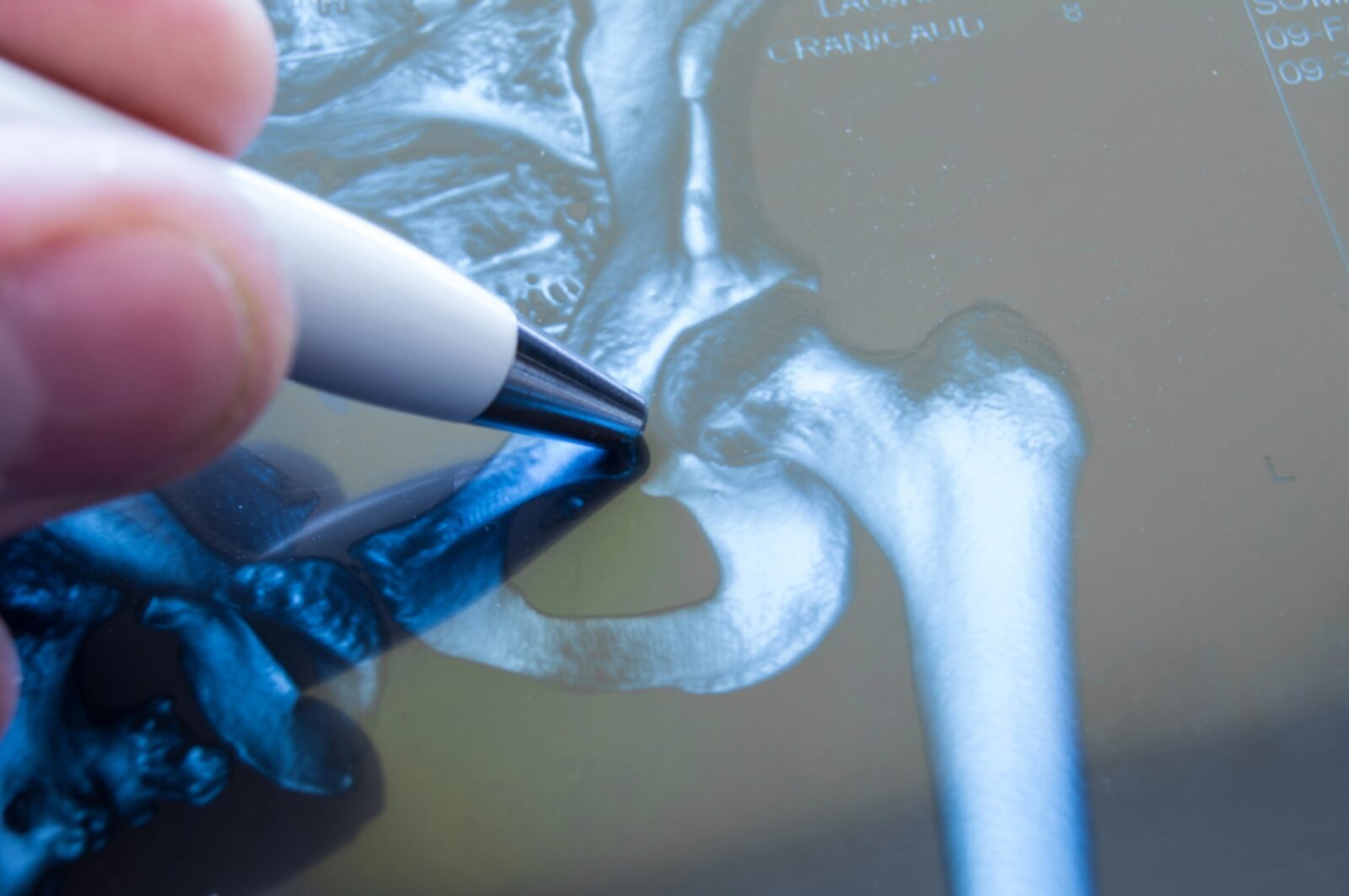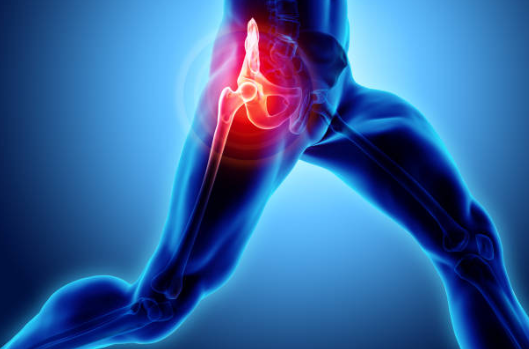
The hip joint brings together the thighbone (femur) and the pelvis (acetabulum). It supports the body’s weight and provides stability and a wide range of motion for critical movements, including walking, running, jumping, bending, and kicking. Healthy hips are a vital component of an active lifestyle for people of all ages, and this is particularly true for athletes.
Hip injuries in contact athletes account for 5%-6% of all athletic-related injuries and are also prevalent in non-contact athletes at every level due to the heavy demands placed on the joint during training and competition. High-impact sports with a greater-than-average incidence of hip injuries include football, ice hockey, soccer, basketball, track and field, cycling, gymnastics, dance, martial arts, and more.
Pain in the hip joints may not be unusual for athletes, but that doesn’t mean it should be ignored. Below, we’ve provided an overview of common sports-related hip injuries as well as some actionable tips for hip pain treatment, recovery, and prevention:
Common Causes Of Hip Injuries
Athletes subject their hips to intense physical demands. From overuse and repetitive stress injuries to traumas stemming from high-impact movements, direct contact, or quick direction changes, there are countless potential reasons for hip pain to occur.
That being said, certain types of hip injuries tend to be more prevalent in athletes than others. At Modern Orthopaedics of New Jersey, some of the most common sports-related hip injuries we diagnose and treat include the following:
Strains And Sprains
Hip strains (injuries affecting the muscles and tendons of the hip joint) and hip sprains (injuries affecting the ligaments of the hip joint) account for the greatest percentage of hip injuries in athletes—in fact, up to 75% of all hip injuries in NCAA football players are categorized as muscle strains. Hip strains and sprains often result from overuse, sudden movements, or trauma/impact and may be exacerbated by factors such as improper warm-up, poor technique, or biomechanical imbalances. Common examples of hip strains include hip adductor strains and hip flexor strains (see below).
Hip Labral Tears
The labrum of the hip is a ring of cartilage that surrounds the hip joint’s socket (the acetabulum), stabilizing the ball (the femoral head) and providing stability and lubrication. Labral tears can result from overuse, trauma, or structural abnormalities and are often characterized by hip pain, limited range of motion, and/or a clicking or catching sensation in the hip joint.
Hip Flexor Joint Injuries
Hip flexor injuries occur when the muscles and tendons in the front of the hip become inflamed, overstretched, or torn. They are frequently associated with sudden movements like running, kicking, or changing direction and can range from mild to severe. In addition to hip flexor strains, other common hip flexor sports injuries include hip flexor tendonitis (inflammation of the tendons connecting the hip flexor muscles to bone) and iliopsoas syndrome, also known as psoas syndrome.
Symptoms Of Hip Injuries
No two hip injuries are identical, and symptoms may vary significantly from athlete to athlete. That being said, the primary symptoms associated with most sports-related hip injuries often include pain, swelling, and limited range of motion:
Pain And Swelling
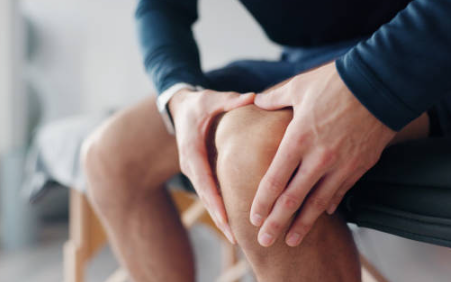
Pain and swelling in the hip joint can stem from a wide range of causes, including a labral tear, sprain or strain, hip flexor injury, bursitis, dislocation, or even a hip fracture. Mild pain and swelling can often be treated at home with rest, ice, and/or over-the-counter anti-inflammatory medication, but medical attention should always be sought if symptoms are severe or ongoing over time.
Limited Range Of Motion
Limited range of motion is one of the most common symptoms associated with hip injuries. Depending on the type and severity of the injury, patients may have difficulty bringing the knee toward the chest, extending it backward, or moving it toward or away from the midline of the body. Other symptoms that may occur alongside loss of range of motion can include difficulty bearing weight and/or the presence of a catching or clicking sensation in the hip joint.
Treatment And Recovery Tips
Mild to moderate sports-related hip injuries often respond well to conservative treatment approaches, including rest, ice, anti-inflammatory medications, and physical therapy:
Rest And Ice Therapy
Resting and icing an injured hip is a good starting point when pain and other symptoms aren’t severe or increasing over time. In the first few days following the injury, apply ice for 15-20 minutes every hour and avoid unnecessary weight bearing on the affected leg. Monitor closely for signs of improvement or worsening.
Anti-Inflammatory Medications
Over-the-counter anti-inflammatory medications (NSAIDs) like aspirin, ibuprofen, and naproxen can help bring down swelling and provide pain relief following a hip injury. If symptoms don’t improve within a few days, seeking a medical evaluation is recommended.
Physical Therapy
Working with a physical therapist can help you reduce pain and regain mobility following a hip joint injury. In addition, physical therapy offers numerous benefits, including improved strength, flexibility, and range of motion.
Preventing Hip Injuries
Accessing proper treatment for hip injuries is vital, but preventing these types of injuries before they ever occur is the best possible scenario. Here are our top three tips for athletes on how to keep their hips healthy and avoid injury:
Proper Warm-Up And Cool-Down
It may be tempting to jump right into intense training or leave immediately after a big game, but proper warm-ups and cool-downs are key to hip injury prevention—not to mention injury prevention of all kinds. Take the time to warm up your major muscle groups, stretch, and prepare your hips for the types of movements you’re about to perform. Likewise, bring down your heart rate, stretch your hips, and hydrate your body following intense training or competition.
Strengthening Exercises
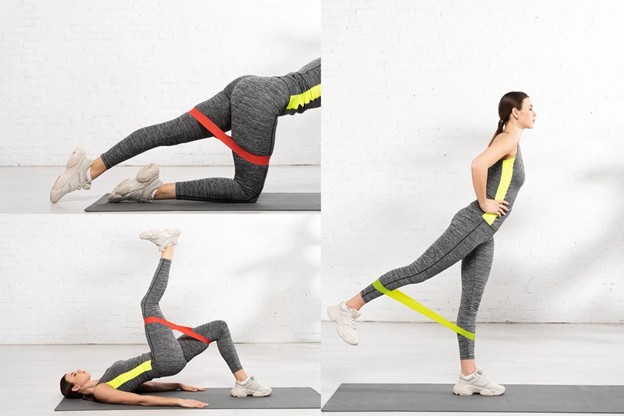
Exercises like bridges, clamshells, squats, and leg raises can all contribute to stronger hips that are less likely to sustain an injury. Speak with a physical therapist or athletic coach to explore targeted hip exercises tailored to the demands of your sport and/or the unique needs of your body.
Correct Footwear And Equipment
Proper equipment and well-fitted footwear that provides adequate cushioning and arch support can play an essential role in reducing the risk of hip injuries during athletic activities. Take the time to research the best brands, materials, and styles of equipment and footwear for your particular sport.
When To See A Doctor For Hip Injuries
If hip pain or other symptoms are severe or haven’t resolved within a few days, it’s probably time to seek medical attention. Some other indicators that a visit to a doctor may be necessary include:
- Intense pain
- Significant swelling
- Inability to move leg and/or bear weight
- Visible deformity
- Signs of infection (fever, redness, chills)
Conclusion
Experiencing hip pain and seeking answers? Schedule an initial consultation today to receive an accurate diagnosis and treatment plan custom-tailored to your needs and athletic goals. Learn more about effective hip injury treatments at Modern Orthopaedics of New Jersey! We look forward to working with you.